

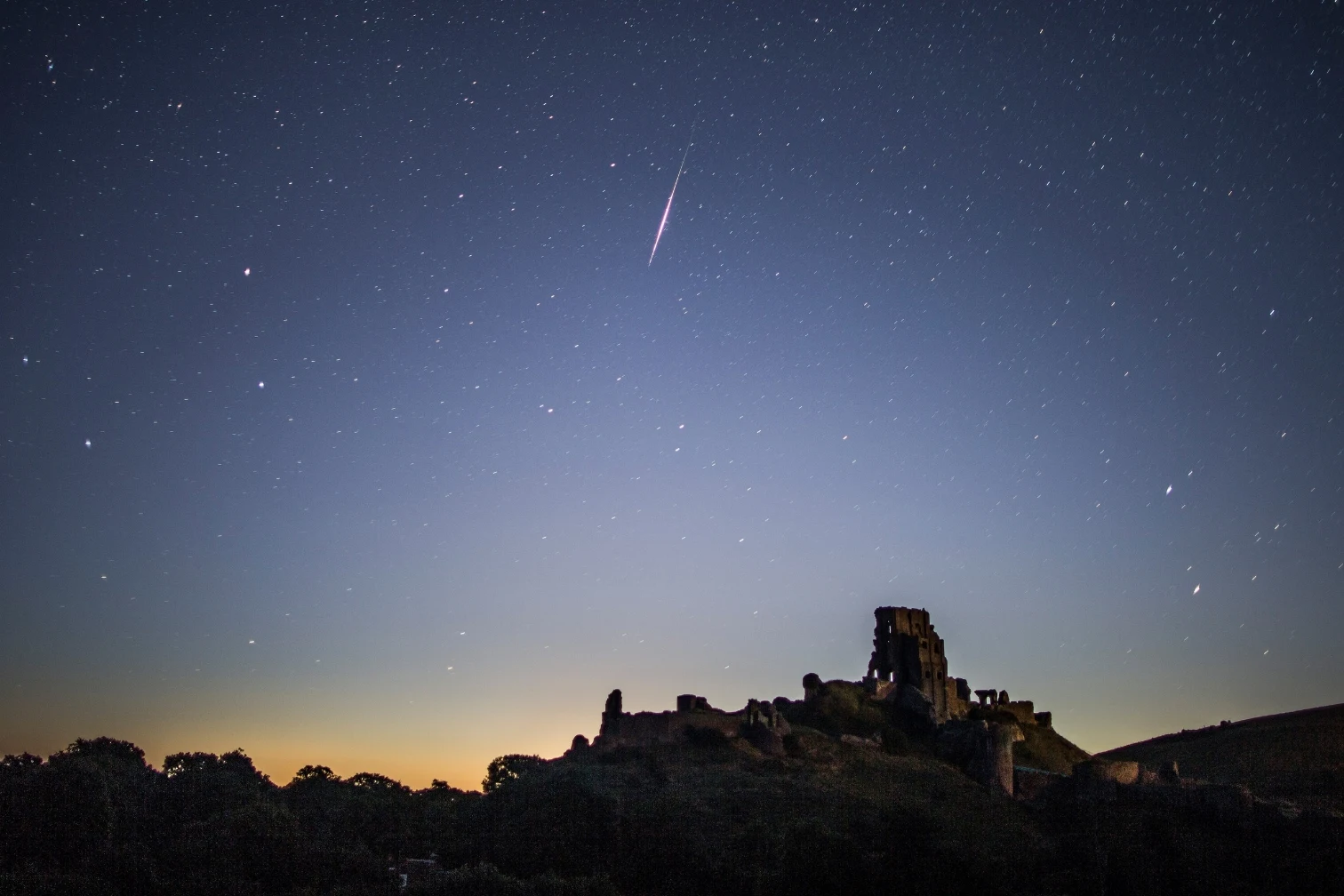
The night sky on July 29 and 30 is set to mesmerize skywatchers around the world with an extraordinary celestial event — the occurrence of *twin meteor showers*. This rare spectacle offers a captivating opportunity for astronomers, casual skywatchers, and photography enthusiasts to witness a dazzling display of shooting stars streaking across the heavens. As two major meteor showers converge within a span of just a few hours, the night sky will become a canvas of luminous streaks, promising an unforgettable experience for those who observe it.
Understanding the Phenomenon of Meteor Showers
Before diving into the specifics of this upcoming spectacle, it is essential to understand what meteor showers are. These are events where numerous meteoroids, tiny particles originating from comets or asteroids, enter Earth’s atmosphere at high speeds and burn up, creating visible streaks of light commonly known as “shooting stars”. The Earth passes through streams of debris left behind by comets or asteroids orbiting the Sun. When our planet intersects these particles’ paths, the resulting passage produces a meteor shower.
Typically, meteor showers occur annually around specific dates, corresponding to the Earth’s orbit through these debris streams. Some of the most well-known meteor showers include the Perseids in August and the Geminids in December. However, on rare occasions, multiple meteor showers peak simultaneously or in close conjunction, creating a spectacular celestial event that captures the attention of skywatchers worldwide.
The Upcoming “Twin” Meteor Showers: A Double Delight
In this particular instance, **two prominent meteor showers are expected to be visible during the night of July 29–30**. According to recent astronomy reports, these two showers are anticipated to produce a combined display of approximately 25 shooting stars per hour, making it a standout event for stargazing enthusiasts. Here’s what you should know:
- Timing and Peaks: The meteor showers are predicted to peak late into the night, with optimal viewing occurring after midnight local time. The convergence of both showers during the same night dramatically increases the chances of witnessing a flurry of meteors.
- Number of Meteors: Observers could potentially see up to 25 meteors per hour, with streaks blazing across the sky every few minutes during peak hours.
- Visibility Conditions: Clear, dark skies away from city lights are ideal for observing these meteors. Light pollution from urban areas can significantly hamper visibility, so outdoor locations with minimal artificial lighting are recommended.
- Locations with Highest Chances: Rural and suburban regions with low light pollution will provide the best viewing experience. Alternatively, attending organized skywatching events or visiting observatories can enhance viewing significantly.
Why This Event Is Special
The phenomenon of **twin meteor showers** is extraordinarily rare because it involves the simultaneous or near-simultaneous peaks of two distinct streams of meteoroids. Such an alignment creates a heightened visual spectacle, offering astronomers and skywatchers a rare opportunity to observe multiple streams intersecting Earth’s orbit at the same time.
Moreover, this occurrence can sometimes lead to what are called **”fireball” meteors**—exceptionally bright and large meteors that burst into vivid colors and brightness, illuminating the night sky for a brief moment. These fireballs are often associated with larger debris and can be breathtaking to witness.
What Are the Solar Sources of These Meteor Showers?
The origin of these twin meteor showers can be traced back to **comets and asteroids** that leave behind trails of debris in their orbits around the Sun. For example:
- One of the showers might originate from a well-known comet such as Swift-Tuttle or Halley’s Comet.
- The other could be connected to an asteroid or a lesser-known comet, creating a distinct stream of debris.
As Earth crosses these streams, the particles collide with our atmosphere at immense speeds, typically ranging from 11 to 72 kilometers per second. The collision heats the particles, which burn up and produce the luminous streaks we observe as meteors.
The Best Viewing Strategies
If you hope to witness this celestial event at its best, here are some tips:
- Find a Dark Sky Location: Light pollution drastically reduces the visibility of meteors. Seek out rural areas or designated dark-sky parks.
- Arrive Early and Be Patient: Meteors can appear unpredictably, so arrive well before peak hours and allow your eyes to adjust to the darkness.
- Bring Comfortable Gear: Use reclining chairs or lying mats, and have warm clothing, as nights can sometimes be cool.
- Use Minimal Light and Electronics: Bright lights and screens can interfere with night vision, so switch off unnecessary devices.
- Prepare Your Camera: For astrophotography, a tripod and a camera capable of long exposures are recommended. Focus on the darkest part of the sky, and be ready to capture streaks as meteors pass through.
Additional Celestial Events to Watch Out For
Apart from the twin meteor showers, late July also offers other astronomical opportunities:
- Viewing late July meteor showers: As noted by the American Meteor Society, aligning your observation times can yield impressive results. Continuous activity can be expected into the early hours, with brighter meteors interspersed among the regular shower activity.
- Fireballs and bright meteors: According to reports by The Economic Times, the presence of fireballs during such showers is not uncommon and adds a spectacular feature to the event.
- Weather considerations: Clear skies are crucial. Check local weather forecasts for cloud cover and plan accordingly.
Scientific Significance of Meteor Shower Events
Beyond mere spectacle, meteor showers offer astronomers a chance to study the composition of space debris and learn more about the origins of our solar system. The minerals and remnants of comets and asteroids can tell us about the early solar system’s formation processes.
Additionally, analyzing the brightness and trajectory of meteors helps scientists understand the density and distribution of debris along Earth’s orbit. This research can also offer insights into potential impact threats from space debris and inform planetary defense strategies.
Final Thoughts
The upcoming twin meteor shower event on July 29–30 promises an exceptional night for celestial observation. Whether you’re an avid astronomer or a casual lover of the night sky, witnessing this dual spectacle will surely be a memorable experience. Remember to choose a dark location, prepare your gear, and be patient as you wait under the vast expanse of the universe for this mesmerizing display of nature’s fireworks.
Mark your calendar and set up your telescopes or binoculars — these fleeting moments of cosmic beauty are worth every effort. Don’t miss this extraordinary opportunity to watch two meteor streams light up the night sky in a spectacular show of astronomical grandeur.
For more updated news please keep visiting Hourly Prime News.