

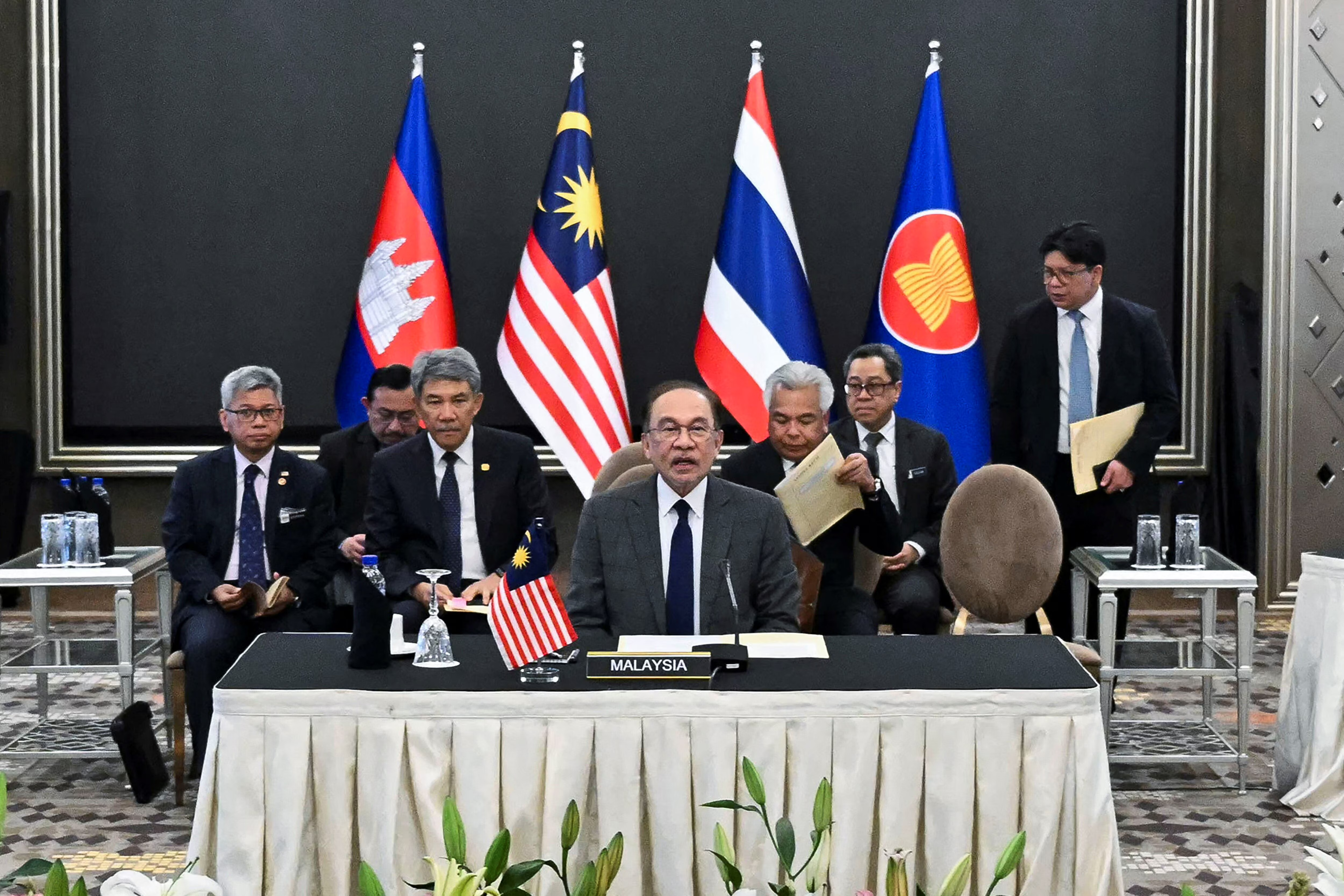
The geopolitical landscape of Southeast Asia is witnessing a significant shift as Thailand and Cambodia have embarked on a series of diplomatic negotiations to establish a ceasefire amidst escalating regional tensions. The backdrop of this development is further complicated by the recent trade threats issued by former U.S. President Donald Trump, which have cast ripples across the international diplomatic and economic spheres. This confluence of diplomatic efforts and global economic pressure underscores the complex interplay of regional security, economic interests, and international diplomacy.
Background: Rising Tensions in Southeast Asia
Historically, Thailand and Cambodia have shared a complicated relationship characterized by border disputes and political disagreements. Over the years, these tensions have occasionally escalated, leading to military confrontations and diplomatic standoffs. Recently, regional tensions flared anew when both nations found themselves on the brink of open conflict over territorial claims, particularly in border areas with strategic and economic significance.
The situation was further strained by external influences—particularly the unpredictable stance of the United States under Trump’s administration. His comments and trade threats created an environment of uncertainty, prompting regional players to seek diplomatic solutions swiftly. Recognizing the potential for broader instability, both Thailand and Cambodia initiated direct peace talks aimed at de-escalating the conflict and pursuing an immediate ceasefire.
Initiation of Ceasefire Negotiations
Ceasefire Agreement and Diplomatic Engagements
- Thailand and Cambodia have officially agreed to “immediate and unconditional” ceasefire—a landmark move signaling their commitment to peace amidst ongoing hostilities, as reported by BBC.
- The talks are considered crucial in preventing any further escalation of conflict, especially given the regional impact and the involvement of multiple stakeholders invested in maintaining stability.
- Regional mediators, including Malaysia and neighboring countries, have played instrumental roles in bringing both parties to the negotiation table, emphasizing the importance of diplomatic engagement in resolving border disputes.
Key Factors Driving Diplomatic Efforts
The peace negotiations are driven by several intertwined factors:
- Regional Stability: Southeast Asia aims to prevent the escalation of local conflicts, which could destabilize the broader ASEAN (Association of Southeast Asian Nations) region.
- Economic Considerations: Both countries are significant economic partners for each other and regional economies. Conflict threatens regional trade, tourism, and investment inflows.
- External Pressure: The trade threats and diplomatic statements from the U.S., particularly those from Trump, added pressure on Thailand and Cambodia to seek a peaceful resolution to avoid wider economic repercussions.
- International Support: Global powers and organizations, such as the United Nations and ASEAN, have urged restraint, promoting dialogue over violence.
Trump’s Trade Threats: A Catalyst for Regional Diplomacy?
The recent aggressive trade rhetoric from Donald Trump appears to have unintentionally accelerated diplomatic efforts in Southeast Asia. His remarks, often characterized by bold threats and tariff warnings, have created a sense of urgency among regional leaders to demonstrate stability and resolve disputes proactively. Some analysts suggest that Trump’s trade threats may have served as a catalyst, prompting Thailand and Cambodia to prioritize peace to insulate themselves from potential economic fallout.
In particular, Trump’s comments about settling international conflicts quickly—citing India-Pakistan and now shifting focus to Thailand and Cambodia—highlight the strategic importance of managing regional conflicts efficiently. While intended as a show of strength, these threats seem to have inadvertently motivated Southeast Asian nations to underscore their commitment to peace and stability, an unintended but valuable diplomatic lesson amid volatile global politics.
Regional and International Reactions
Response from Southeast Asian Nations
Other countries within the ASEAN bloc and regional diplomacy forums have welcomed the ceasefire talks. Malaysia, for instance, publicly expressed support for an “immediate, unconditional ceasefire,” urging both nations to prioritize dialogue over confrontation (Al Jazeera). This stance underscores the regional consensus advocating for diplomatic solutions to prevent regional destabilization.
Global Implications of the Peace Talks
From an international perspective, the successful initiation of peace talks serves as a positive sign of diplomatic maturity in Southeast Asia. It reflects a collective understanding that regional conflicts can have far-reaching consequences, impacting global trade, security, and diplomatic relations. Additionally, the influence of external forces like the United States highlights how global power dynamics can shape regional conflict resolutions, often acting as catalysts for peace rather than perpetuating hostilities.
Future Outlook and Challenges
While the ceasefire agreements mark a promising start, sustaining peace remains a significant challenge. Historically, ceasefires in border disputes have been fragile, often breaking down under changing political or military pressures. For Thailand and Cambodia, some of the critical hurdles ahead include:
- Ensuring Mutual Trust: Both nations must rebuild trust strained by previous conflicts and political disagreements.
- Border Demarcation and Implementation of Agreements: Clear and enforceable border resolutions are essential to prevent future disputes.
- External Influences: External powers, especially concerning trade and geopolitical interests, will continue to influence regional stability.
- Domestic Political Dynamics: Internal political changes within each country could impact the continuity and sincerity of diplomatic commitments.
It is essential for all stakeholders to remain committed to dialogue, confidence-building measures, and international support. The success of these peace efforts could serve as a model for resolving other regional disputes, emphasizing diplomacy over conflict.
Conclusion
The ongoing ceasefire negotiations between Thailand and Cambodia, set against the backdrop of Trump’s trade threats, exemplify the complex web of regional and global diplomacy. Despite past conflicts, the willingness of both nations to engage in dialogue underscores a shared desire for stability and peace. While challenges remain, the diplomatic momentum provides hope that Southeast Asia can navigate its disputes peacefully, fostering long-term cooperation and regional prosperity.
This development also highlights the broader impact of global political shifts on regional conflicts—an important reminder that diplomacy often requires a nuanced understanding of both local issues and international influences.
As the peace talks progress, continued international support, observed commitment, and diligent implementation will be vital in turning these negotiations into lasting peace.
For more updated news please keep visiting Hourly Prime News.