

The Evolving Landscape of Late-Night Comedy
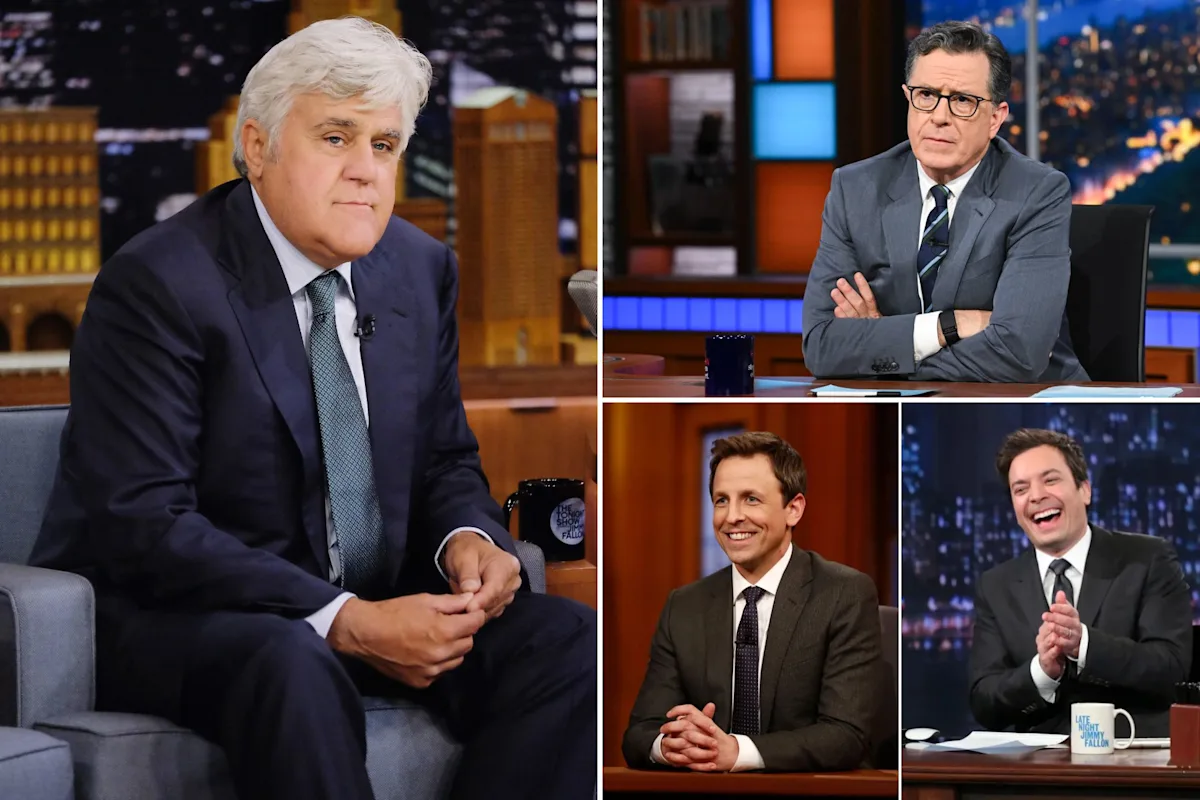
For decades, late-night television has been a cornerstone of American entertainment, blending humor with topical commentary. Legends like Johnny Carson, David Letterman, and Jay Leno himself set the stage for satirical takes on politics and culture, often serving as the voice of a generation. However, in recent years, a noticeable shift has occurred in the tone and content of late-night programming, particularly among political hosts. Instead of simple comedy or lighthearted sketches, many of these hosts have taken to delivering pointed political lectures to their viewers. But is this approach effective, or does it risk alienating audiences?
Jay Leno’s Criticism of Political Late-Night Hosts
Renowned comedian and former host Jay Leno recently voiced his critique of the current state of political commentary in late-night TV. According to a report by “Nobody Wants to Hear a Lecture”.
In this statement, Leno emphasized that audiences tune into late-night shows primarily for entertainment, humor, and a break from real-world stress, not for political sermons or heavy-handed lectures. His words reflect a concern that many current hosts have strayed from the entertainment focus, leaning into partisan commentary that can be polarizing and uninviting.
The Shift Toward Political Commentary in Late-Night TV
Recently, many late-night hosts have adopted a more overtly political tone. Shows like those hosted by Stephen Colbert, Jimmy Kimmel, and Trevor Noah often feature sharp critiques of political figures, policies, and current events. While these segments can be insightful and galvanize viewers who share similar views, they also run the risk of alienating segments of their audience who may disagree or prefer a more neutral approach.
Some critics argue that this shift has detracted from the core purpose of late-night comedy, which historically aimed to entertain and provide a satirical lens on society rather than to serve as a political forum. The challenge lies in balancing timely political commentary with humor that appeals broadly, without descending into didacticism or partisanship.
Why Audience Engagement Matters
Jay Leno’s assertion points to a fundamental question modern late-night television must grapple with: what do audiences truly want from these shows? The answer, as Leno suggests, is entertainment without the burden of political lecturing. When hosts begin to turn comedy into a platform for ideological advocacy, they risk losing sight of their primary role—to entertain and offer relief.
Furthermore, audiences are diverse, with varied political beliefs. A show’s success hinges on its ability to bridge ideological divides and appeal to all viewers seeking humor just for humor’s sake. The danger of overly political content is that it may alienate viewers who feel lectured or dismissed, thereby shrinking the show’s reach and undermining its entertainment value.
What Can Late-Night Hosts Do Differently?
- Focus on Humor and Satire: Maintain a light, humorous tone that pokes fun at political figures without becoming partisan or preachy.
- Balance Content: Mix political segments with pop culture, current events, and personal stories, ensuring variety and broad appeal.
- Engage Viewers Without Lecturing: Use comedy to subtly critique political issues rather than delivering monologues that resemble speeches.
- Stay Authentic: Hosts should be genuine in their opinions and avoid pandering, which can be perceived as insincerity.
- Respect Audience Diversity: Recognize that viewers may hold a spectrum of beliefs and craft content that is inclusive and respectful.
The Future of Political Humor in Late-Night TV
As the media landscape continues to evolve, late-night television faces the challenge of remaining relevant and entertaining in an increasingly polarized environment. The crisis, as highlighted by Jay Leno, is that audiences may prefer to escape political debates rather than engage in them during their leisure time. The success of future hosts will depend on their ability to infuse humor with subtlety and wit, rather than overt political messaging.
While political satire will always have a place, its execution must be carefully calibrated to avoid coming across as a lecture. Instead, fostering a sense of levity around serious issues can both inform and entertain simultaneously. This balanced approach can help late-night shows retain their core function—providing viewers with a much-needed respite from the chaos of daily headlines.
Conclusion: Reclaiming the Spirit of Late-Night Comedy
Jay Leno’s candid critique serves as a reminder that late-night television should focus on entertainment first. The success of the genre has historically come from its ability to blend humor with social commentary without turning into a platform for political sermons. Hosts who can strike this balance are more likely to connect with audiences across the political spectrum—delivering laughs while subtly prompting reflection.
Ultimately, the goal should be to preserve the legacy of late-night comedy as a space where humor prevails, and political content enhances rather than dominates. As viewers, we can appreciate the value of satire that entertains and informs without feeling like a lecture, ensuring that late-night TV remains a vital part of our cultural landscape.
For more updated news please keep visiting Hourly Prime News.