

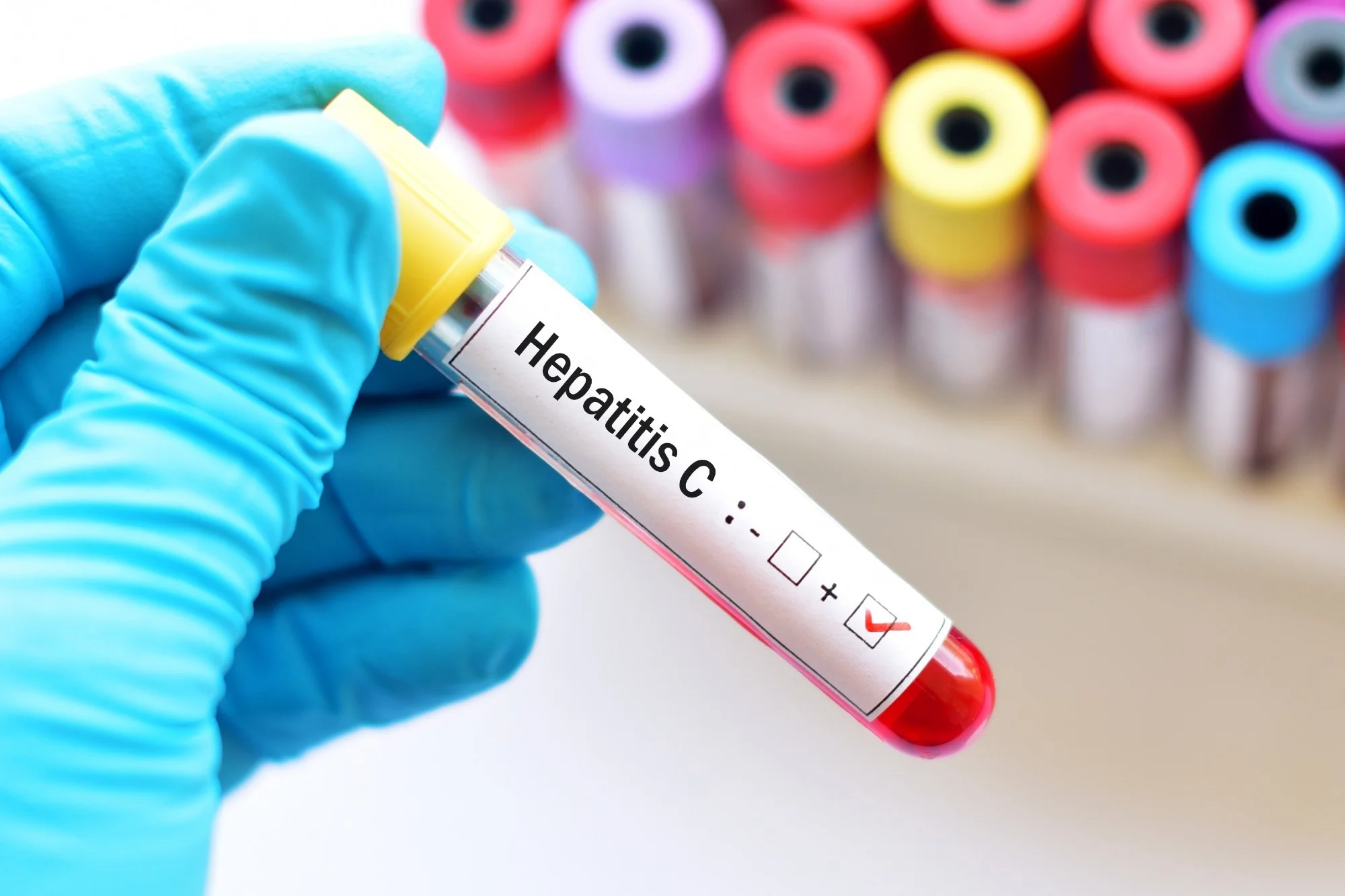
Hope and Challenges in Hepatitis Management
Hepatitis remains a global health challenge, affecting millions of individuals worldwide. Advances in medical research and the development of effective treatments have brought a new wave of hope for those suffering from hepatitis B and C. Numerous patients have expressed that the treatment has “changed their life,” signaling a significant step forward in combating this disease. However, despite these medical breakthroughs, the reality on the ground reveals persistent gaps in care delivery, awareness, and accessibility that continue to hinder the overall goal of hepatitis eradication.
This article explores the transformative impact of hepatitis treatments, the current landscape of care, and the ongoing challenges that must be addressed to ensure no one is left behind in the fight against hepatitis.
The Transformative Power of Hepatitis Treatment
Life-changing Outcomes for Patients
Recent reports highlight stories of individuals whose lives have been radically improved by the advent of potent antiviral therapies. For many, these treatments have offered a path toward cure or significant reduction in disease severity. For example, the ‘Changed my life’: hepatitis treatment offers hope but not enough receiving care, report finds from The Guardian
These successes offer hope of a future where hepatitis could be effectively controlled or even eradicated, similar to what has been achieved with other infectious diseases like smallpox or polio. The development of direct-acting antivirals (DAAs) for hepatitis C is one such breakthrough, boasting cure rates exceeding 95%. For hepatitis B, recent therapies aim at suppressing viral replication and reducing liver-related complications.
Medical Advances and Available Therapies
- Hepatitis C: The introduction of DAAs has revolutionized treatment, making it shorter, more effective, and with fewer side effects.
- Hepatitis B: Although a complete cure remains elusive, current antiviral medications significantly reduce viral load and prevent progression to cirrhosis and liver cancer.
- Emerging Therapies: New drug candidates and innovative approaches like RNA therapeutics are on the horizon, promising even more effective solutions.
Accurate diagnosis and prompt initiation of therapy are critical components of successful treatment outcomes, but these are often lacking in many regions.
Persistent Gaps in Care and Challenges
Limited Access to Treatment
Despite the availability of effective medications, access remains a major obstacle in many parts of the world. High costs, limited healthcare infrastructure, and lack of awareness prevent many from receiving timely care. As reported in , many patients are unable to afford medications or access specialized clinics.
Lack of Awareness and Screening
Awareness campaigns and screening programs are essential to identify infected individuals early, yet they are often insufficient, especially in rural or low-income areas. Many carriers remain undiagnosed, unknowingly transmitting the virus and progressing to severe liver disease.
In many regions, patients are diagnosed late, often when they already suffer from complications such as cirrhosis or hepatocellular carcinoma. Early detection, coupled with effective treatment, can dramatically improve prognosis and reduce healthcare burdens.
Stigma and Socioeconomic Barriers
Stigma surrounding hepatitis, especially hepatitis B, continues to deter people from seeking testing or treatment. Socioeconomic factors also play a role; marginalized groups, prisoners, and intravenous drug users are at heightened risk but often face barriers to care due to stigma, discrimination, and lack of targeted programs.
Strategies to Bridge the Gaps
Early Detection and Prevention
Implementing widespread screening programs and immunization efforts, especially for hepatitis B, can lead to early diagnosis and prevent new infections. As highlighted in , early intervention is key to curbing the epidemic.
Improving Access and Affordability
Expanding healthcare infrastructure, subsidizing or reducing drug costs, and integrating hepatitis services into primary healthcare can significantly improve access. International organizations and governments must collaborate to reduce prices and ensure equitable distribution of medicines.
Enhancing Awareness and Reducing Stigma
Educational campaigns targeting communities and healthcare workers are essential to destigmatize hepatitis. Empowering individuals through knowledge encourages testing and reduces discrimination, paving the way for increased treatment uptake.
Advancing Research and Innovative Therapies
The role of cutting-edge research, including RNA-based therapeutics, as discussed in , will accelerate the development of more effective treatments and eventually lead to a cure for hepatitis B and C.
Conclusion: A Call to Action
While tremendous progress has been made in hepatitis treatment—saving lives and offering hope to millions—the journey is far from over. Closing the gap between medical advances and real-world access remains critical. Governments, healthcare providers, researchers, and communities need to work together to ensure that effective therapies reach every individual in need, regardless of socioeconomic status or geographical location.
The vision of a hepatitis-free world is attainable if we address the existing barriers, invest in innovative research, and implement comprehensive screening and treatment programs. Only then can the promise of medical breakthroughs truly become a widespread reality, transforming lives and ending this silent epidemic.
For more updated news please keep visiting Hourly Prime News.