

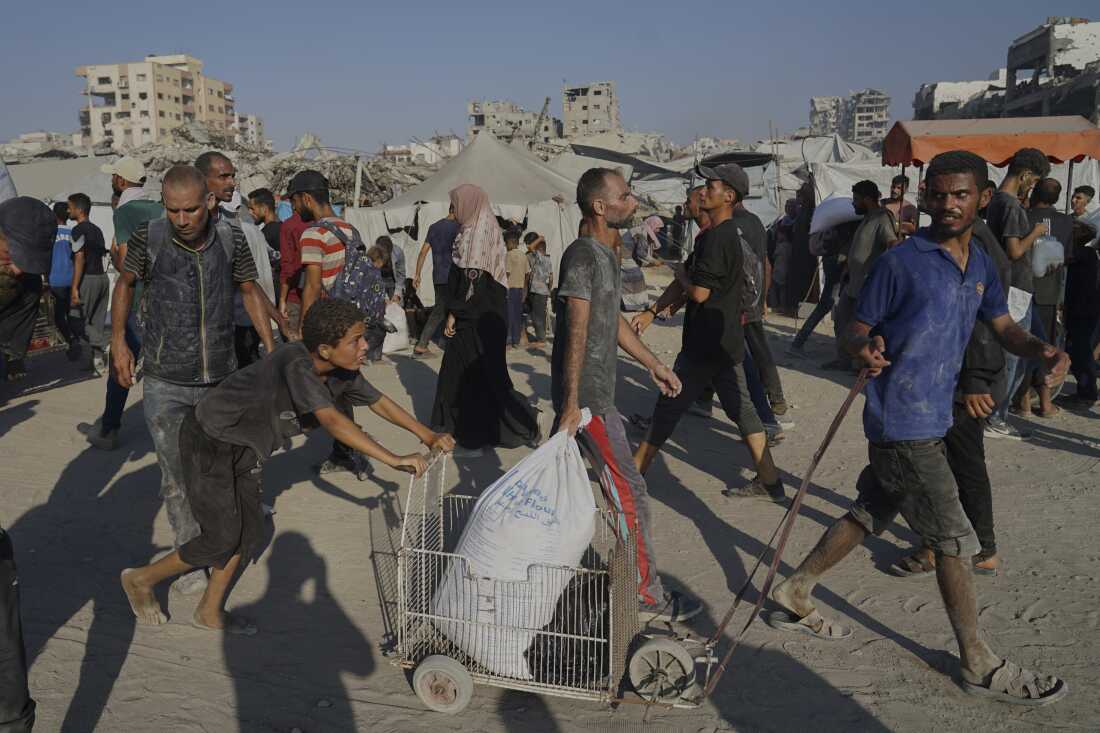
The ongoing conflict between Israel and Hamas in Gaza has once again taken a significant turn with Israel officially declaring a ‘tactical pause’ in its military operations. This strategic decision, announced amidst a complex and tense environment, aims to provide temporary relief and facilitate humanitarian efforts while maintaining military readiness. In this article, we explore the key developments surrounding this announcement, the background of the conflict, and the implications for both Palestinian civilians and broader regional stability.
Background of the Gaza Conflict
The Gaza Strip has long been a flashpoint of violence, with frequent clashes between Palestinian groups, primarily Hamas, and Israeli forces. The recent escalation was triggered by a series of rocket attacks, military incursions, and retaliatory strikes, resulting in significant casualties and destruction. The international community has expressed concern over the humanitarian toll, including the displacement of civilians and the deterioration of essential services like water, healthcare, and electricity.
Details of the Tactical Pause
What Does a ‘Tactical Pause’ Entail?
According to Israeli sources and reports, a ‘tactical pause’ refers to a temporary suspension of offensive operations. This pause allows the Israeli military to regroup, reassess strategies, and possibly open avenues for humanitarian corridors. It is not a ceasefire but a carefully calibrated tactical move to reduce immediate hostilities in specific zones within Gaza.
Scope and Duration
The precise scope and duration of the pause remain fluid, with Israeli officials indicating it could span several hours to days depending on evolving circumstances. The move is intended to create ‘space for humanitarian aid’ and ‘military planning’, while ensuring the safety of Israeli troops and civilian populations in border areas.
Impact on Humanitarian Efforts and Civilians
This announcement has elicited a mixture of responses from international actors, humanitarian organizations, and Palestinians. While some view the tactical pause as a positive step towards reducing suffering and enabling aid delivery, others remain skeptical about its long-term effectiveness.
- Humanitarian Aid: Several aid organizations have expressed cautious optimism, hoping that the pause will facilitate the delivery of essential supplies such as food, water, and medicines. However, reports from agencies on the ground indicate ongoing difficulties, including security concerns and logistical challenges.
- Palestinian Civilians: Unfortunately, a recent aid drop by Israel has resulted in unintended casualties and injuries, drawing condemnation from Palestinian authorities and Hamas. The incident underscores the fragile balance between military operations and humanitarian needs.
Reactions and Controversies
The move has sparked diverse reactions from across the globe:
- International Reactions have been mixed, with some countries urging restraint and others emphasizing the need for decisive action against militant groups.
- Regional Tensions continue to rise as neighboring countries monitor developments closely.
Recent Incidents and Escalations
Amid the tactical pause, there have been reports of ongoing incidents that complicate the fragile situation:
- The Guardian details how the Israeli military has announced a ‘tactical pause’ in parts of Gaza amidst global pressure over hunger and humanitarian concerns.
- The ongoing crisis highlights ongoing violence, with attacks in international waters and airstrikes within Gaza continuing to threaten civilians.
Future Outlook and Regional Implications
The declaration of a ‘tactical pause’ is seen as a strategic attempt to de-escalate immediate hostilities, but experts warn that the situation remains volatile. Key questions include:
- Will this pause translate into tangible humanitarian relief and a long-term ceasefire?
- How will regional actors such as Iran, Egypt, and Lebanon respond to Israel’s military decisions?
- What impact will this have on civilians caught in the crossfire, and how can humanitarian access be effectively ensured?
While the tactical pause might offer temporary relief, the broader conflict’s resolution demands comprehensive diplomatic efforts, addressing root causes, and ensuring sustainable peace for Gaza and the surrounding region.
Conclusion
Israel’s announcement of a ‘tactical pause’ in Gaza marks a significant phase in the ongoing conflict, reflecting a complex interplay of military strategy, humanitarian concerns, and international diplomacy. As the situation develops, the world watches closely whether this move will lead to tangible improvements or merely serve as a temporary respite amidst ongoing hostilities. The coming days and weeks will be critical in shaping the future of this enduring crisis.
For more updated news please keep visiting Hourly Prime News.