

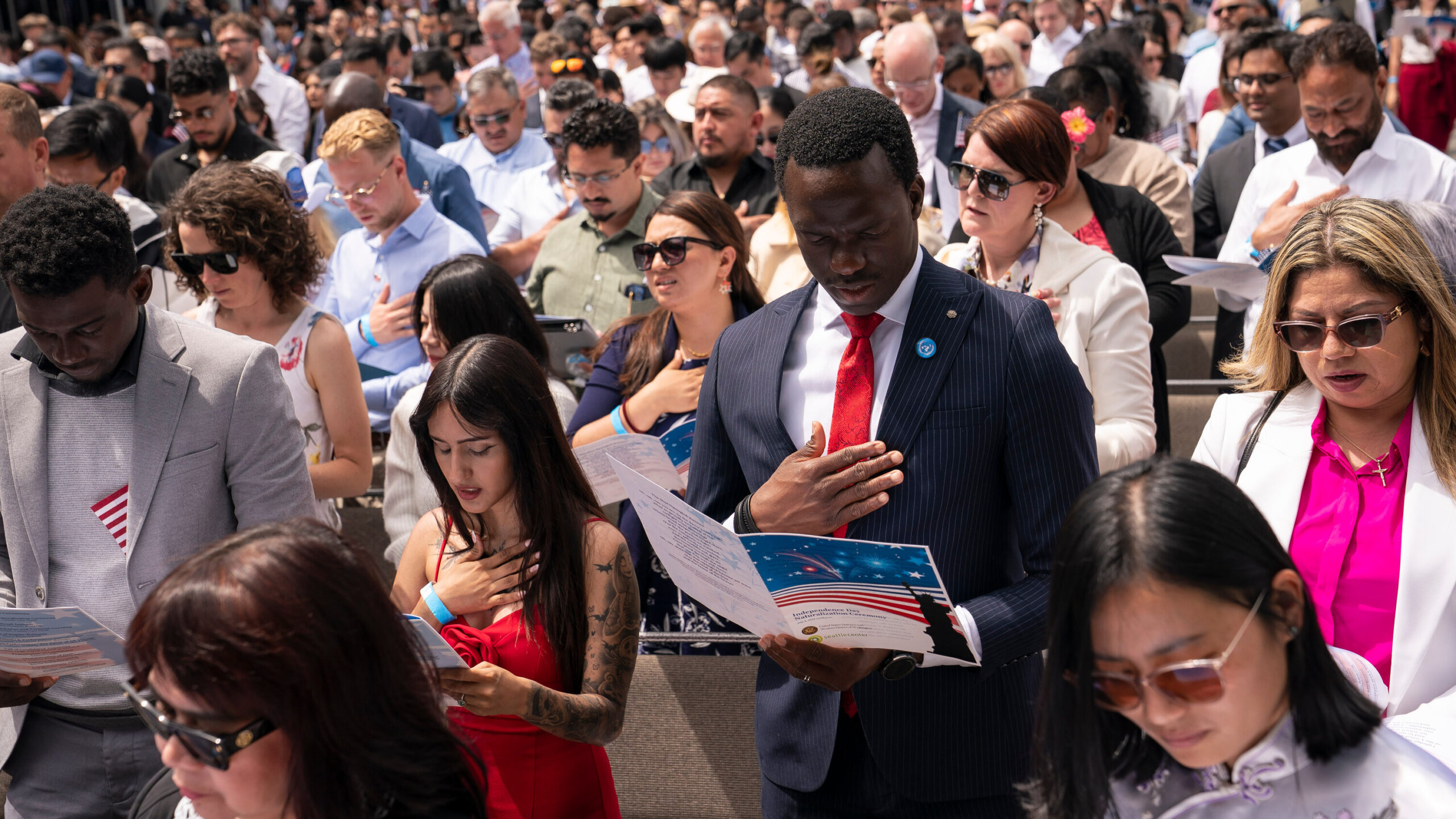
As the 2024 U.S. presidential race heats up, one of the most debated topics remains immigration policy, particularly concerning work visas and citizenship exams. President Donald Trump, known for his restrictive stance on immigration during his first term, appears intent on continuing and intensifying efforts to reshape America’s approach to foreign workers and naturalization processes. His second-term agenda includes significant reforms to the H-1B visa program and the U.S. citizenship testing procedures, signaling a focus on prioritizing American interests and tightening immigration controls.
Reforming the H-1B Visa Program
Overview of the Current System
The H-1B visa program allows U.S. employers to temporarily employ foreign workers in specialty occupations. It has historically been a vital pathway for tech companies and other industries to access global talent, fostering innovation and economic growth. However, critics argue that the program has been exploited, leading to concerns over wage suppression and job displacement for American workers.
Trump’s Proposed Changes
President Trump’s second-term plans include comprehensive modifications aimed at making the H-1B visa system more selective and beneficial for American workers. Key proposals include:
- Increasing Wage Thresholds: Implementing higher minimum salary requirements for H-1B applicants to ensure that foreign workers are not undercutting U.S. wages.
- Prioritizing American Applicants: Making adjustments so that U.S. citizens and residents are given priority in hiring, thereby reducing reliance on foreign labor.
- Revamping the Application Process: Introducing stricter criteria and audits to prevent abuse and ensure that only qualified, genuine candidates receive approval.
- Limiting Visa Duration and Renewals: Reducing the length of visas and raising barriers for renewal to discourage dependency on temporary foreign labor.
These measures are designed to protect domestic job opportunities while ensuring that the H-1B program serves genuine skill shortages rather than being a tool for cheap, imported labor.
Potential Impact
These reforms are expected to significantly increase the cost and complexity of hiring foreign workers under H-1B. It may lead to a decrease in the number of applications and a rise in salary levels, ultimately aiming to boost wages for American tech professionals and reduce visa fraud. For companies heavily reliant on H-1B workers, especially in the tech sector, this could mean reevaluating hiring strategies or localizing more jobs domestically.
Changes to U.S. Citizenship Tests
The Current Process
The U.S. Citizenship and Immigration Services (USCIS) currently administers a civics and English language test as part of the naturalization process. While generally achievable, there are ongoing debates about the test’s difficulty and fairness, especially concerning immigrant populations with varying educational backgrounds.
Administering the New Changes
Under the second-term agenda, Trump administration officials propose several alterations aimed at making the citizenship test more rigorous and reflective of American civic values. Highlights include:
- Raising the Passing Criteria: Increasing the number of correct answers required for passing the civics portion, thereby raising the bar for applicants.
- Including More Complex Questions: Introducing questions that delve deeper into American history, government structure, and civic responsibilities.
- Ensuring Knowledge of Fundamental American Principles: Emphasizing understanding of core values such as democracy, rule of law, and individual rights.
USCIS director suggests that these changes will ensure new citizens are better prepared to participate in the democratic process and understand their responsibilities as Americans.
Implications of the Policy Shift
For Immigrants and Applicants
Proposed reforms will likely lengthen and complicate the path to U.S. citizenship. Immigrants will need to dedicate more time to studying civics and language skills, potentially creating additional barriers for those from diverse educational backgrounds. While these measures aim to uphold the integrity of the naturalization process, critics argue they could reduce the number of successful applicants and entrench barriers for legal immigrants.
For the U.S. Economy and Workforce
Restrictive visa policies and stricter citizenship criteria may impact U.S. industries that depend on foreign talent, especially in high-tech and specialized fields. This could lead to talent shortages, slowed innovation, and increased costs for companies that find it more challenging to hire highly skilled foreign workers. Conversely, proponents believe these policies will protect American workers from displacement and unfair competition.
Broader Strategy and Future Outlook
Trump’s agenda reflects a broader strategy to prioritize American workers and security, emphasizing border control, economic nationalism, and civic integration. By tightening the H-1B visa provisions and raising educational standards for citizenship, the administration aims to align immigration policies with its vision of a more self-reliant and patriotic America.
However, critics caution that such policies might create a less welcoming environment for global talent, potentially affecting America’s position as a leader in innovation and technology. Balancing national security with economic growth remains a challenge that policymakers will need to navigate carefully in this second term.
Conclusion
As President Trump advances his second-term agenda, the focus on reforming H-1B visas and citizenship testing signifies a commitment to reshaping the immigrant landscape in the United States. These reforms are poised to impact foreign workers, employers, and potential citizens, reflecting a broader shift toward more stringent immigration controls. Whether these policies will achieve their intended goals or lead to unintended consequences remains to be seen, but the debate around immigration will undoubtedly continue shaping U.S. political discourse.
In the coming months, stakeholders across industries, immigrant communities, and advocacy groups will closely monitor legislative developments and policy implementations, advocating for adjustments that balance national interests with America’s reputation as a land of opportunity and diversity.
For more updated news please keep visiting Hourly Prime News.