

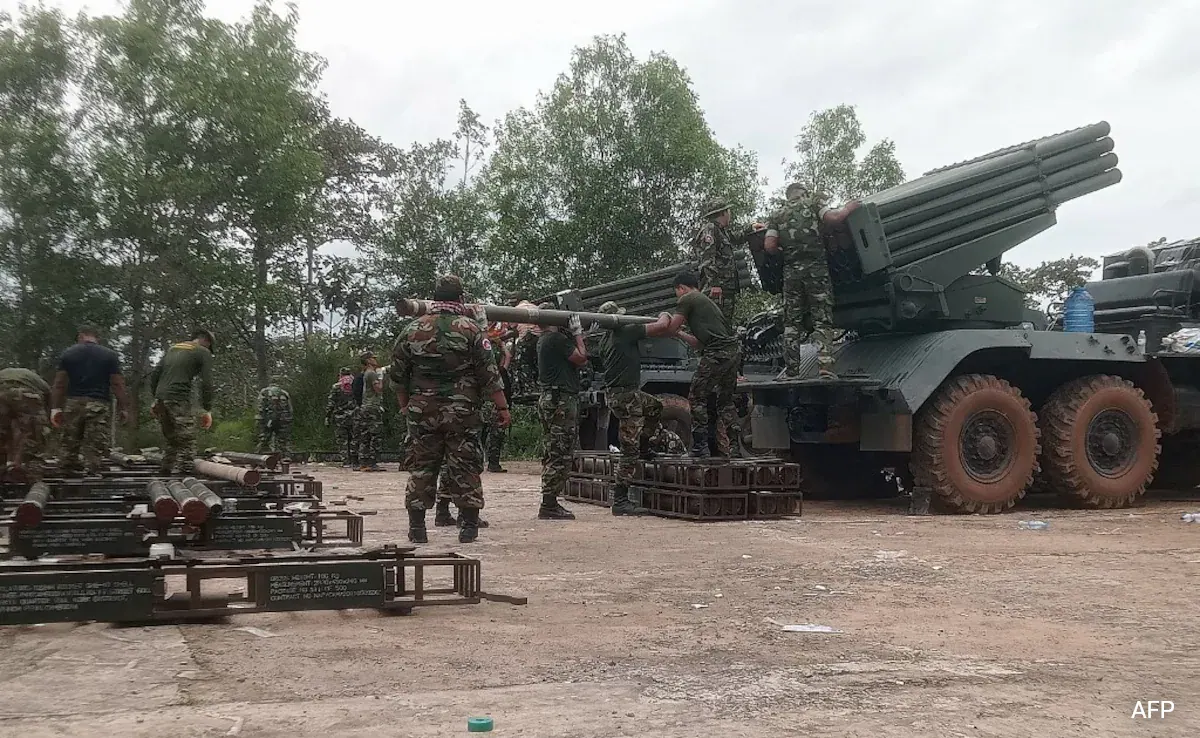
In a significant escalation of border tensions, Thailand has officially declared martial law in regions bordering Cambodia following a series of deadly clashes between the two nations. The move, announced by Thai authorities, underscores the severity of the situation and marks a critical juncture in their ongoing dispute over border demarcation and territorial sovereignty.
The recent confrontations resulted in casualties and heightened fears of broader regional instability. The declaration of martial law aims to exert greater control over the affected areas, facilitate military operations, and prevent further violence. This development has attracted attention not only within Southeast Asia but also globally, as international observers worry about the potential for the conflict to spiral out of control.
Background of the Border Dispute
The complexities of the Thailand-Cambodia border dispute stem from decades-old disagreements over territory, particularly in areas around the Preah Vihear Temple and other border regions rich in cultural and strategic significance. Recent years have seen sporadic violence and skirmishes, but the latest clashes represent a sharp intensification.
Both nations have historically accused each other of encroachment, with diplomatic negotiations often stalling. The border area is also sensitive due to its historical, cultural, and geopolitical importance. The recent outbreak of violence has exposed the fragility of diplomatic efforts and exposed underlying nationalistic tensions.
The Deadly Clashes
The recent conflicts, which have led to casualties on both sides, were reportedly triggered by a dispute over territorial claims. Reports indicate exchanges of gunfire and artillery, resulting in injuries and fatalities among military personnel and civilians. The escalation prompted Thailand to impose martial law in the affected zones, aiming to restore order and deter further violence.
Implications of the Martial Law Declaration
Declaring martial law provides the Thai government with expanded powers, including the deployment of military forces, restriction of movement, and increased security measures. This move is intended to prevent any further escalation and to re-establish control over the border regions.
However, the decision also carries significant risks, including potential for increased tensions, disruptions to local communities, and an impact on diplomatic relations. It amplifies fears of broader regional instability and raises questions about the possibility of international intervention or mediation.
Regional and International Response
- Regional Responses: ASEAN nations and neighboring countries have expressed concern over the violent escalation and called for de-escalation. Some countries have urged both Thailand and Cambodia to exercise restraint and pursue peaceful dialogue.
- International Reactions: The international community, including organizations like the United Nations and neighboring powers such as China and the United States, are closely monitoring the situation. While some have called for diplomatic solutions without external intervention, others are wary of the potential for the conflict to destabilize the entire Southeast Asian region.
Diplomatic Attempts and Rejections
Despite international concern, Thailand has rejected offers for mediated negotiations. Reports from sources like NDTV and other outlets report that Thailand firmly rejects external efforts to mediate the conflict, insisting that the resolution should come through bilateral negotiations under their own terms.
Potential for Escalation and Future Outlook
Analysts warn that without de-escalation, the situation could spiral out of control, expanding beyond border skirmishes into broader regional conflict. The standoff has the potential to involve various military and diplomatic pressures, risking an unpredictable escalation.
Furthermore, the possibility of miscalculations and accidental clashes increases tensions, making diplomatic engagement crucial. Several experts suggest that international facilitation could be necessary in the future, should bilateral negotiations continue to stall.
Numbers and Broader Context
Recent reports, such as those from India Today, the clashes have been characterized as part of a surge in global conflicts, which are escalating across multiple frontier zones worldwide. While global powers remain cautious, the Southeast Asian border dispute exemplifies how local conflicts can become international crises.
Conclusion
The declaration of martial law in Thailand marks a pivotal moment in the ongoing border conflict with Cambodia. While intended to restore order and prevent further violence, it also signifies a worrying turn towards militarized responses to territorial disputes. The situation underscores the urgent need for diplomatic engagement and international cooperation to avoid a broader regional conflict.
As both nations navigate this tense period, the international community continues to watch closely, hoping for a peaceful resolution that respects sovereignty and promotes stability.
For more updated news please keep visiting Hourly Prime News.