

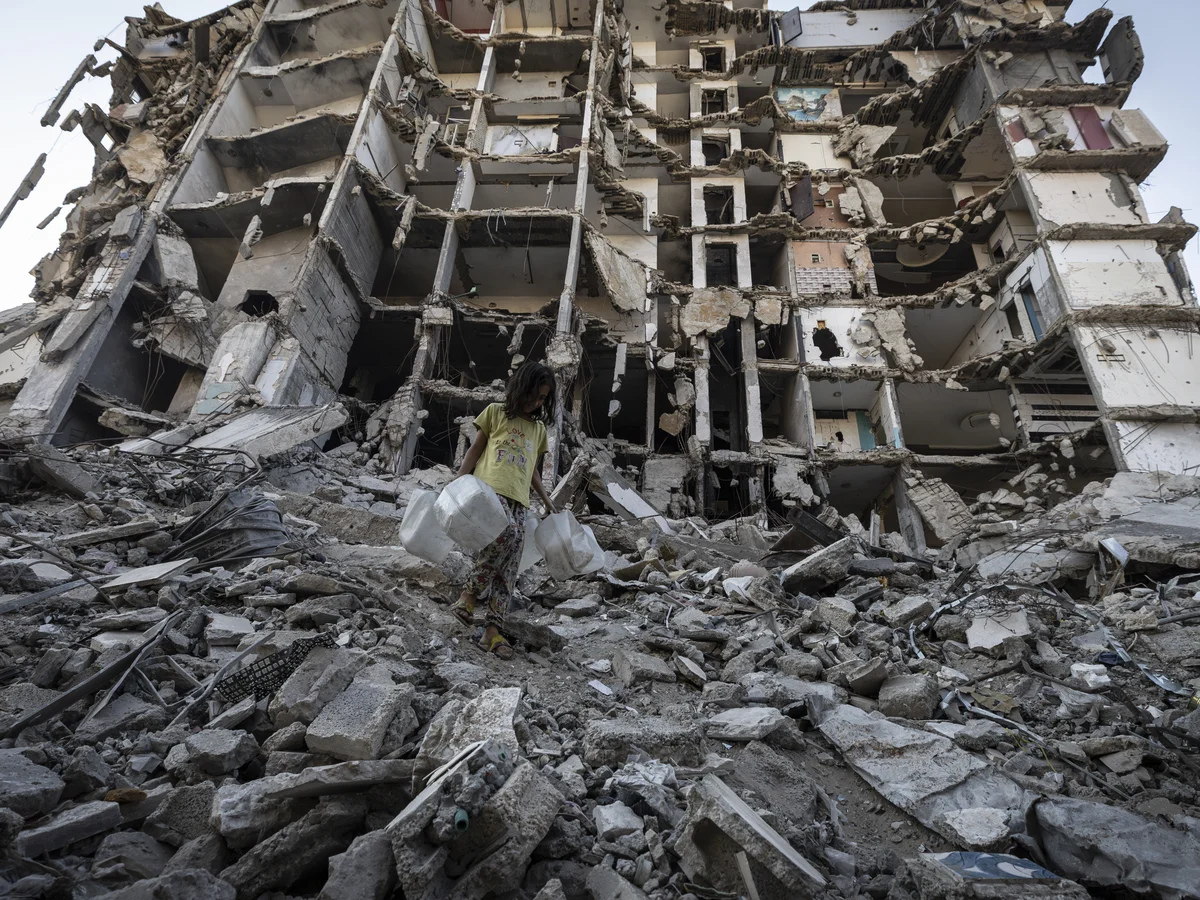
The ongoing conflict in Gaza has reached a new and alarming juncture after a series of diplomatic setbacks that have severely undermined hopes for a sustained ceasefire. Despite initial efforts by various parties to broker peace, recent developments suggest that the prospects for halting hostilities are slipping away. The withdrawal of support from pivotal international players, notably the United States and Israel, has profoundly impacted the negotiations, leaving civilians and stakeholders in a state of uncertainty. This blog explores the intricacies behind the collapse of Gaza truce talks, examines the reactions from involved nations, and delves into the broader implications for regional stability and humanitarian conditions.
The Breakdown of Gaza Truce Negotiations
The Initial Hope and Rising Expectations
In the early days of renewed diplomatic activity, there was cautious optimism among international mediators and regional leaders that a ceasefire could be established. Several rounds of discussions took place, with Qatar acting as a potential venue for negotiations. These talks promised a pause in violence and an opening for humanitarian aid, bringing relief to a beleaguered Gaza population enduring relentless conflict. However, amid these positive signs, underlying disagreements and strategic mistrust quickly emerged.
Recent Developments: US and Israel’s Withdrawal
The situation took a decisive turn when the United States and Israel began to withdraw their negotiators from the talks. Reports indicate that both sides pulled back after Hamas proposed certain amendments to the ceasefire terms, which were deemed unacceptable by the US and Israeli delegations. The American and Israeli sides accused Hamas of “stalling and seeking to leverage the negotiations,” while Hamas and other Palestinian groups criticized the withdrawal as a betrayal and a sign of insincerity from the mediators.
Specifically, sources from Mint and Al Jazeera paint a picture of a stalled process, with both parties recalling their teams from the Qatar-hosted negotiations. This abrupt retreat has effectively ended the current negotiation cycle, leaving the prospects of a ceasefire in limbo. Experts suggest that the withdrawal signifies deeper issues of mistrust and conflicting interests that have long plagued peace initiatives in the region.
The Political and Diplomatic Ramifications
The withdrawal signifies more than a tactical setback; it exposes the fragile nature of diplomatic efforts in Gaza. The United States’ failure to remain engaged resonates with its broader policy shifts in the Middle East, often oscillating between diplomacy and military support. Israeli authorities, under mounting domestic political pressures, have also signaled skepticism about the feasibility of negotiations, especially when security concerns appear to outweigh diplomatic solutions.
The collapse could embolden hardliners on both sides, potentially escalating violence and complicating future attempts for peace. Regional actors, including Egypt and Qatar, face increased pressure to bridge the diplomatic gaps, but their influence appears limited when key global powers withdraw. The absence of US and Israeli participation fundamentally reduces the legitimacy and leverage of ongoing negotiations, increasing the likelihood of further instability.
Reactions and Perspectives from Major Stakeholders
The United States’ Stance
The US has historically played a pivotal role in mediating Gaza conflicts, but recent developments mark a shift in approach. As reported by The Guardian, a US envoy pointed fingers at Hamas, accusing the group of undermining peace efforts by rejecting proposed amendments and prolonging hostilities. The US’s decision to pull back from the talks signifies a hardened stance, emphasizing security and strategic interests over diplomatic engagement at this juncture.
Israel’s Position
Israel’s withdrawal aligns with its broader security policies. Government officials have maintained that negotiations are futile when Hamas continues to fire rockets and refuses to disarm. The BBC highlights that Israeli authorities are increasingly resorting to military solutions, citing ongoing threats from militant groups. While some factions in Israel advocate for negotiations, the prevailing sentiment leans towards military containment and punitive measures, making diplomatic breakthroughs less likely in the immediate future.
Palestinian and Hamas Responses
Hamas, on the other hand, has expressed frustration with the withdrawal, framing it as a failure of previous diplomatic efforts. As per NDTV, Hamas continues to seek amendments to ceasefire conditions, emphasizing the need for broader concessions on blockade lifting and prisoner releases. Their reply to the latest ceasefire proposal underscores their perseverance in negotiations, yet their willingness to continue dialogue remains uncertain amidst mounting tensions.
Regional and International Reactions
Regional players like Qatar and Egypt have called for renewed diplomatic efforts but face limitations without the backing of major powers like the US. Many Middle Eastern nations express concern over escalating violence and implore all parties to return to the negotiation table. The international community, through organizations such as the United Nations, urges restraint and emphasizes the urgent need to protect civilians caught in the crossfire.
What Does the Future Hold?
The recent collapse of Gaza truce negotiations underscores the precarious state of peace efforts in the region. Without sustained diplomatic engagement from key stakeholders like the United States and Israel, prospects for a lasting ceasefire diminish significantly. The cycle of violence risks deepening, with civilian casualties mounting and infrastructure destruction worsening.
However, some analysts suggest that renewed efforts can still be initiated if mutual interests align. Humanitarian concerns, international pressure, and regional stability may serve as catalysts to reopen negotiations. Initiatives focusing on confidence-building measures, demilitarization, and addressing core issues such as blockade and prisoners could help pave the way for future agreements, provided all parties show a willingness to compromise.
Broader Implications for Regional Stability
A failure to establish any ceasefire can have ripple effects across the Middle East. It potentially emboldens extremist factions, destabilizes neighboring countries, and complicates diplomatic relations globally. Furthermore, increased civilian suffering and displacement could lead to a humanitarian crisis that demands immediate international response.
The credibility of mediating powers is also at stake. If leading nations like the US and Israel appear unwilling to engage diplomatically, regional actors and smaller mediators may lose faith in the process. This could set a dangerous precedent, encouraging unilateral actions over negotiated settlements.
Conclusion: The Path Forward
The collapse of Gaza peace talks marks a significant setback in efforts to end violence and restore stability to the region. While current circumstances appear bleak, history has shown that persistent diplomacy, mediated by credible and committed parties, can eventually lead to breakthroughs. The international community must recognize the urgency of constructive engagement and focus on tangible steps to rebuild trust.
As civilians continue to bear the brunt of conflict, the imperative to find a peaceful resolution grows stronger. The coming weeks and months will be critical in determining whether regional diplomacy can adapt to overcome this setback or whether the cycle of violence will persist, deepening humanitarian crises and regional instability.
- Peace remains fragile: The recent withdrawal emphasizes the delicate nature of Gaza negotiations and the tightrope walk of diplomacy in conflict zones.
- Stakeholder influences: The US and Israel’s decisions have significant ripple effects, impacting not only immediate ceasefire prospects but also future diplomatic efforts.
- Humanitarian crises: Civilians bear the brunt of negotiations failure, accentuating the urgent need for humanitarian corridors and aid regardless of political negotiations.
- Diplomatic innovation needed: Traditional approaches may be insufficient; new strategies emphasizing trust-building and inclusion are essential for progress.
Final Thoughts
The recent collapse of the Gaza truce talks underscores the complex, multi-layered challenges facing peace processes in one of the world’s most enduring conflicts. While today’s developments appear discouraging, they also serve as a stark reminder that sustained diplomatic effort, international cooperation, and genuine commitment are vital to achieving lasting peace. Only through persistent engagement and mutual understanding can there be hope for a future where conflict is replaced with coexistence, and suffering gives way to stability.
For more updated news please keep visiting Hourly Prime News.