

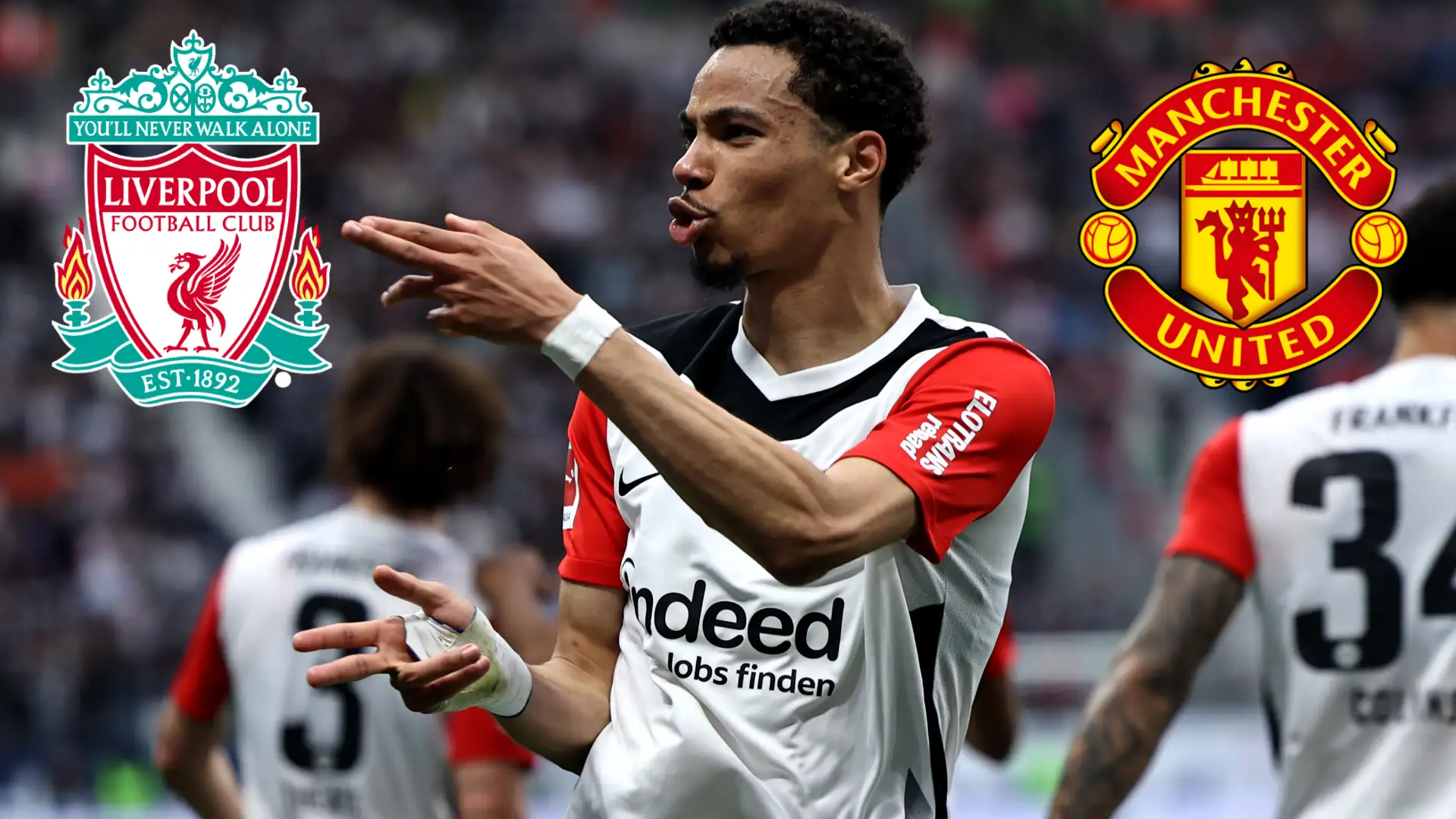
An Unconventional Number for a Promising Talent
In the world of football, transfer windows are often marked by the excitement of new acquisitions, strategic signings, and sometimes, unexpected decisions. Liverpool FC, renowned for its tradition, passionate fanbase, and tactical planning, made headlines recently not just for signing Hugo Ekitike but also for astonishing many by choosing an unconventional shirt number for the young forward. This decision has sparked conversations across the football community, raising questions about Liverpool’s future plans, squad dynamics, and the significance behind such a choice.
The Shock Element: A Bold Shirt Number Selection
According to recent reports, including coverage from TribalFootball), Liverpool’s new signing was allocated a jersey number that many did not anticipate for someone of his profile. Instead of the familiar numbers associated with new strikers like 9 or 11, the club opted for a number that seemingly holds less traditional weight in attack-focused roles.
The Context Behind the Decision
Such decisions often carry a deeper meaning than mere aesthetics. Historically, shirt numbers have signified positional roles, club traditions, or even personal preferences of players. Liverpool, a club that has seen iconic figures don classic numbers, occasionally makes unconventional choices to reflect faith in emerging players or strategic reshuffles. The choice for Ekitike’s shirt number can be viewed as a statement that the club sees him as more than just a typical forward, perhaps indicating a versatile role or a fresh tactical approach.
Historical Precedents
Liverpool’s history is dotted with instances where players given non-traditional numbers went on to become legends. For example, Steven Gerrard famously wore 8, a number associated with central midfielders, but his role evolved through different shirt numbers over the years. Robbie Fowler initially donned the 9, but players often change numbers based on squad dynamics. The recent decision to assign Ekitike a less conventional number may be part of this evolving tradition, signaling a new chapter.
Factors Influencing Liverpool’s Shirt Number Choice
Multiple factors can influence such decisions:
- Player’s versatility: Ekitike might be expected to operate across various attacking positions, making a flexible shirt number more appropriate.
- Squad Strategy: Liverpool’s tactical approach could involve squad rotation and players taking on different roles, thus inspiring the club to assign less traditional numbers.
- Integration perspective: Less iconic numbers might help new signings settle in without the pressures associated with iconic ones, allowing Ekitike to develop his identity within the squad.
- Personal preference: Sometimes, players have input into their shirt numbers, and Ekitike might have chosen or been assigned a number aligned with his personal or cultural significance.
Public and Fan Reactions
The Liverpool community has shown a mixed response to this decision. Supporters often admire the club’s willingness to think outside the box, reflecting modern football’s evolving landscape. Some, however, miss the traditional numbers associated with Liverpool’s legendary forwards, expressing curiosity and intrigue about how Ekitike will adapt and impact the team.
Implications for Ekitike’s Role and the Team Future
This bold choice could signal how Liverpool envisions Ekitike’s role within the squad. It might suggest a focus on his adaptability and potential as a multifaceted attacker rather than a traditional pivot. It also hints at the club’s strategic planning, possibly preparing for multiple tactical configurations where players switch roles seamlessly.
Moreover, this decision might set a precedent for future signings, emphasizing that Liverpool values versatility and innovative thinking over strict adherence to tradition. It could also influence other clubs considering similar unconventional options for their players, reflecting a broader shift in football culture.
Broader Transfer Context and Significance
Alongside the shirt number decision, Liverpool’s acquisition of Ekitike reflects a significant investment—reported at around £79 million from Frankfurt, as highlighted by . The investment showcases Liverpool’s determination to rebuild and strengthen their squad, maintaining competitiveness in both domestic and European competitions.
Looking Forward: What Does This Mean for Liverpool?
The club’s decision to assign an unconventional number to Ekitike underscores their innovative approach in squad management. The move hints at a broader philosophy of embracing versatility and nurturing young talent without the constraints of traditional expectations. It also demonstrates a willingness to adapt to modern football’s demands, balancing long-standing traditions with contemporary strategic thinking.
This decision could be a blueprint for future signings, encouraging flexibility and a focus on player development over rigid conventions. As Ekitike integrates into Liverpool’s setup, fans and analysts alike will be watching how this bold new number influences his performance and identity within the team.
Conclusion
In summary, Liverpool’s choice of a surprising shirt number for their new signing Ekitike is more than just a stylistic departure. It signals a strategic shift towards greater flexibility and innovation, reflecting both the club’s evolving philosophy and the modern game’s demands. Whether this decision will prove to be a masterstroke or a risk remains to be seen, but it undeniably adds a new chapter to Liverpool’s rich footballing history.
As Ekitike settles into his new role and the season unfolds, fans will be eager to see how this unconventional move plays out on the pitch. It’s a bold statement from a club known for blending tradition with modernity, and this decision might just be a sign of exciting times ahead for Liverpool FC.
For more updated news please keep visiting Hourly Prime News.