

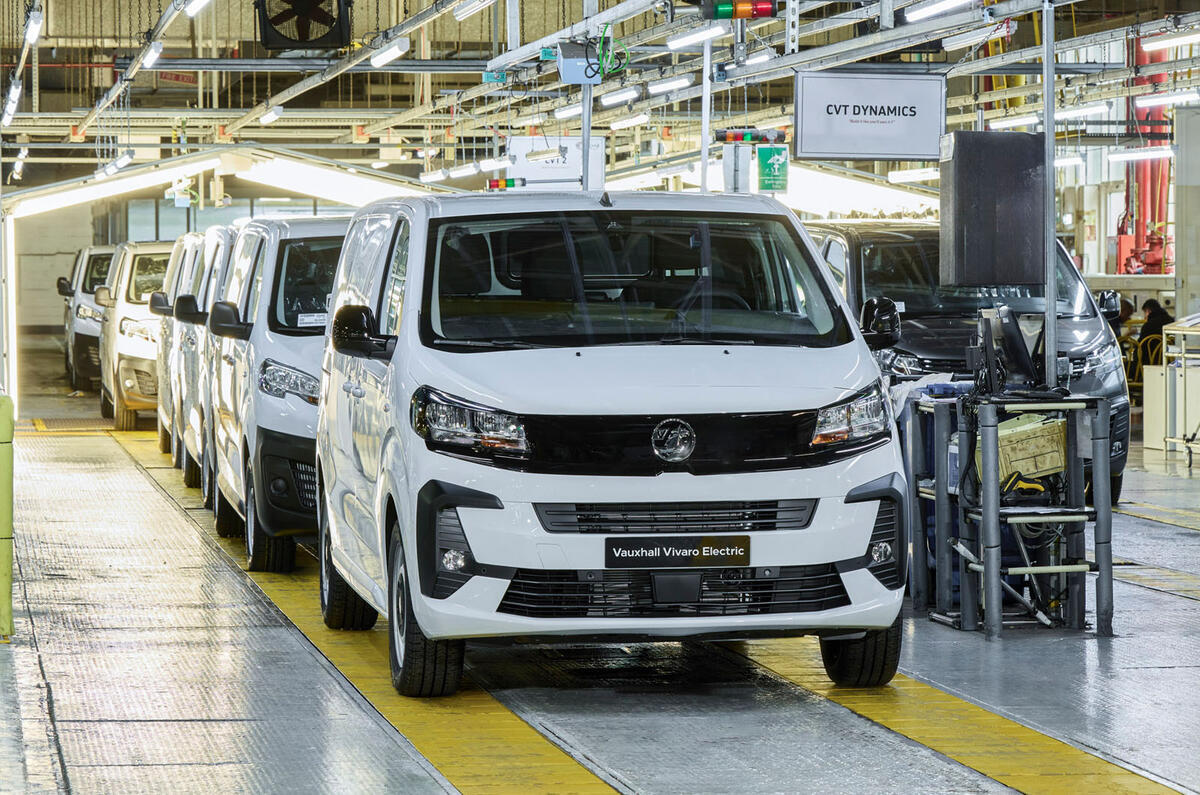
The automotive industry has long been a cornerstone of the British economy, historically symbolizing innovation, employment, and national pride. However, recent data reveals a concerning downturn in car manufacturing in the United Kingdom. According to The Guardian, the industry’s output has slumped to levels not seen since 1953 — a period long before the automotive sector faced modern challenges such as globalization, technological disruption, and recent supply chain disruptions.
Understanding the Scale of the Decline
The latest figures paint a stark picture: UK’s car manufacturing output has dipped below levels recorded during the era after World War II, signaling a significant shift in the domestic manufacturing landscape. This decline is not merely a statistical dip but a reflection of fundamental issues facing the sector, including economic pressures, Brexit-related uncertainties, and a global shift in automotive trends.
Historical Context: What Happened Since 1953?
To appreciate the gravity of this downturn, it’s crucial to understand the historical context. Post-1953, the UK automotive industry experienced steady growth through the mid-20th century, fueled by burgeoning consumer markets, automation advancements, and robust export markets. Major manufacturers like British Leyland, Rover, and later, Jaguar and Land Rover, made the UK a global hub for car production.
However, over the decades, particularly beginning in the 1970s and 80s, the industry faced several challenges:
- Global Competition: Emerging manufacturing giants like Germany and Japan began dominating the market with more efficient production processes.
- Deindustrialization: A shift away from traditional manufacturing sectors as service economies gained prominence.
- Market Fluctuations and Policy Changes: Economic policies, including taxation and trade agreements, significantly impacted manufacturing viability.
- Environmental Regulations: Stricter emissions standards increased production costs and required technological overhauls.
The Current State of UK Car Manufacturing
In recent years, the UK has seen a marked decline in automotive production. The latest statistics are startling:
- Production Volumes: A sharp drop compared to previous years, with the lowest figures since the early 1950s.
- Employment: Thousands of jobs have been affected, with many plants closing or restructuring amidst declining output.
- Export Challenges: Brexit and global trade tensions have complicated export strategies, impacting sales and profitability.
Key Factors Contributing to the Decline
Several interrelated factors are responsible for this downturn:
- Supply Chain Disruptions: The COVID-19 pandemic exposed vulnerabilities in global supply chains, especially for key components like semiconductors, impacting production schedules.
- Brexit Uncertainties: Trade barriers, import/export tariffs, and regulatory adjustments have strained manufacturing operations and international sales.
- Shift to Electric Vehicles (EVs): Transitioning to EVs requires significant investments in new technologies and infrastructure, which many traditional manufacturers have struggled to finance and implement swiftly.
- Global Competition and Market Dynamics: The rise of electric and autonomous vehicles has led to increased competition from non-UK manufacturers, who often enjoy government subsidies and advanced manufacturing ecosystems.
- Economic and Political Climate: Uncertainty about future policies, tariffs, and sustainability goals can discourage long-term investments in the UK’s automotive sector.
Impacts on the UK Economy and Society
The decline in car manufacturing is more than just a statistical issue; it has wide-reaching effects on the economy and communities:
- Employment Losses: Thousands of workers face layoffs, with knock-on effects in supply chains and local economies.
- Regional Development: Manufacturing hubs such as the Midlands and the North are particularly affected, leading to economic disparity between regions.
- Technological Innovation: Reduced manufacturing capacity hampers innovation and the development of future mobility solutions within the UK.
- Trade Balance: Declining exports contribute to the trade deficit, impacting the country’s overall economic health.
Looking Ahead: Challenges and Opportunities
While the current situation appears bleak, it also presents opportunities for renewal and transformation:
- Transition to Electric Vehicles: The push towards EVs can be a catalyst for innovation, provided there is adequate investment in infrastructure, research, and development.
- Government Policies: Strategic policies can incentivize manufacturers to stay local, innovate, and compete globally.
- Green Manufacturing Initiatives: Developing sustainable production methods can make UK car manufacturing more attractive and competitive on the world stage.
- Partnerships and Collaborations: Collaborations between academia, government, and industry can foster innovation clusters and new business models.
Strategies for Revitalizing the Sector
To counteract the decline, some potential strategies include:
- Investment in R&D: Substantial funding for electric and autonomous vehicle technologies.
- Supporting Small and Medium Enterprises (SMEs): Encouraging innovation through grants and subsidies.
- Upskilling Workforce: Training programs to equip workers with new skills aligned with emerging technologies.
- Policy Stability: Providing consistent policy frameworks to foster investor confidence.
- Focus on Sustainability: Embracing environmentally friendly manufacturing processes and products to meet global standards.
Conclusion
The decline of UK car manufacturing to its lowest level since 1953 underscores the magnitude of ongoing structural challenges and global shifts in the automotive landscape. While the current situation presents significant hurdles, it also opens doors to strategic innovation and renewed competitiveness. Success will depend on cohesive policies, technological investments, and a resilient workforce prepared to lead the UK automotive industry into a greener, smarter future.
In navigating this transformative period, stakeholders across government, industry, and academia must collaborate to uphold the legacy of the UK’s automotive excellence while embracing the changes necessary for sustainable growth.
For more updated news please keep visiting Hourly Prime News.