

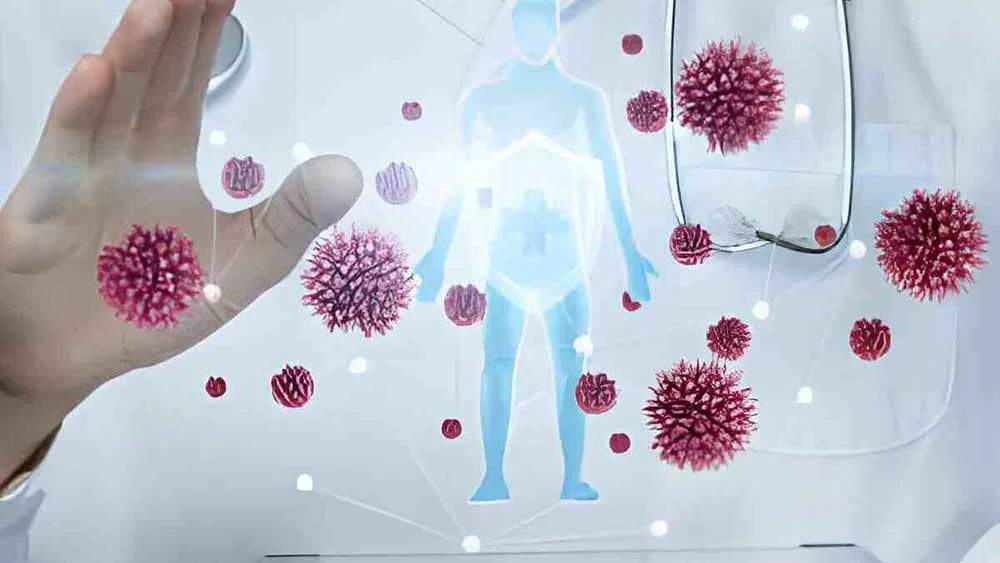
In recent years, India has witnessed a concerning increase in cancer cases among its young population. While various factors contribute to this alarming trend, medical professionals and oncologists are increasingly pointing to a viral culprit that is often underestimated: the Human Papillomavirus (HPV). This sexually transmitted virus, primarily associated with cervical cancer, is now being recognized as a significant factor driving the surge in multiple cancer types among Indian youth. This blog explores the connection between HPV and rising cancer incidences, the importance of vaccination, and urgent actions needed to curb this health crisis.
The Growing Threat of Cancer Among Indian Youth
India’s demographic profile shows a rapidly growing young population, with people in their 20s and 30s constituting a significant proportion. Unfortunately, this demographic is increasingly vulnerable to cancers that were traditionally associated with older adults. Oncologists and healthcare experts have started sounding alarms about the sharp rise in cancers such as cervical, oropharyngeal, anal, and penile cancers among the youth. Several studies and clinical reports reveal a disturbing pattern: the prevalence of HPV-related cancers is climbing at an unprecedented rate.
For instance, Doctors flag HPV as a major factor for the rise in cancer cases among Indian youth in recent reports. They attribute this trend largely to the widespread prevalence of HPV infections, combined with low awareness around prevention and screening. The rise is particularly concerning because many of these cancers are preventable through early detection and vaccination.
How HPV Contributes to Cancer Development
Understanding the Virus
HPV is a group of over 200 related viruses, with at least 14 associated with cancer. It is primarily transmitted through sexual contact, making it one of the most common sexually transmitted infections globally. While most HPV infections resolve naturally without causing symptoms, persistent infections with high-risk HPV types can lead to cellular abnormalities and, eventually, malignant transformations.
The Carcinogenic Process
The high-risk HPV types can integrate their genetic material into the host cell’s DNA. This integration disrupts normal cell regulatory mechanisms, leading to uncontrolled cell division and tumor formation. Notably, HPV types 16 and 18 are responsible for approximately 70% of cervical cancers worldwide, and similar patterns are observed in India. Beyond cervical cancer, HPV is linked with cancers of the oropharynx, anus, vulva, vagina, penis, and other parts, especially among young individuals engaging in sexual activity.
Current Scenario in India
The incidence of HPV-related cancers among Indian youth is rising because of multiple factors:
- Low awareness about HPV and its link with cancers
- Limited implementation of vaccination programs
- Cultural hesitations and stigma surrounding vaccination and sexual health
- Inadequate screening facilities for early detection
Recent research indicates that many young Indians are unaware of the risks posed by HPV. Additionally, vaccination coverage remains suboptimal compared to global standards, partly due to lack of awareness and affordability issues. This gap in preventive health measures is fueling the spike in cancer cases associated with the virus.
The Importance of HPV Vaccination
Preventive Strategy
Vaccination against HPV has proven to be one of the most effective tools in preventing infection with high-risk HPV types. The vaccines are designed to confer immunity before exposure to the virus, typically recommended for children and adolescents before they become sexually active.
Expanding the Scope to Boys
While initially targeted towards girls, recent medical advice underscores that boys should also receive the HPV vaccine. As ‘HPV Vaccine Not Just For Girls, Boys Should Get It Too: Doctor’ emphasizes, vaccinating boys significantly reduces the transmission of the virus and protects against HPV-related cancers that affect both genders. This approach also aligns with global health strategies aiming for herd immunity and comprehensive prevention.
What Needs to Be Done?
Addressing the rising tide of HPV-related cancers among Indian youth requires multi-faceted efforts:
- Widespread Awareness Campaigns: Educate the public about HPV, its transmission, and its role in cancer development. Breaking cultural taboos and reducing stigma around sexual health is crucial for encouraging vaccination and screening.
- Implementation of School-Based Vaccination Programs: Governments and health authorities should integrate HPV vaccination into school health initiatives, ensuring coverage reaches the younger population effectively.
- Enhancement of Screening Facilities: Promote routine screening for cervical and other HPV-related cancers, especially among young women, for early detection and treatment.
- Legal and Policy Support: Strengthen policies to subsidize the cost of vaccines and ensure their availability in rural and underserved areas.
- Involvement of Healthcare Professionals: As highlighted in health reports, hospitals and clinics should advocate for HPV vaccination and conduct regular awareness drives to boost vaccine uptake.
The Urgent Need for Action
India’s fight against the rising incidence of HPV-related cancers must be prioritized as a public health emergency. With the increasing number of young lives affected, immediate and sustained efforts are essential to reverse the current trend. Vaccination, in combination with education and screening, can significantly reduce the disease burden and save countless lives.
In conclusion, the link between HPV and cancer is well-established, and the time to act is now. Embracing vaccination programs, spreading awareness, and improving healthcare infrastructure can turn the tide against this silent threat. Protecting the health of India’s youth demands collective responsibility from policymakers, healthcare providers, educators, and communities alike.