

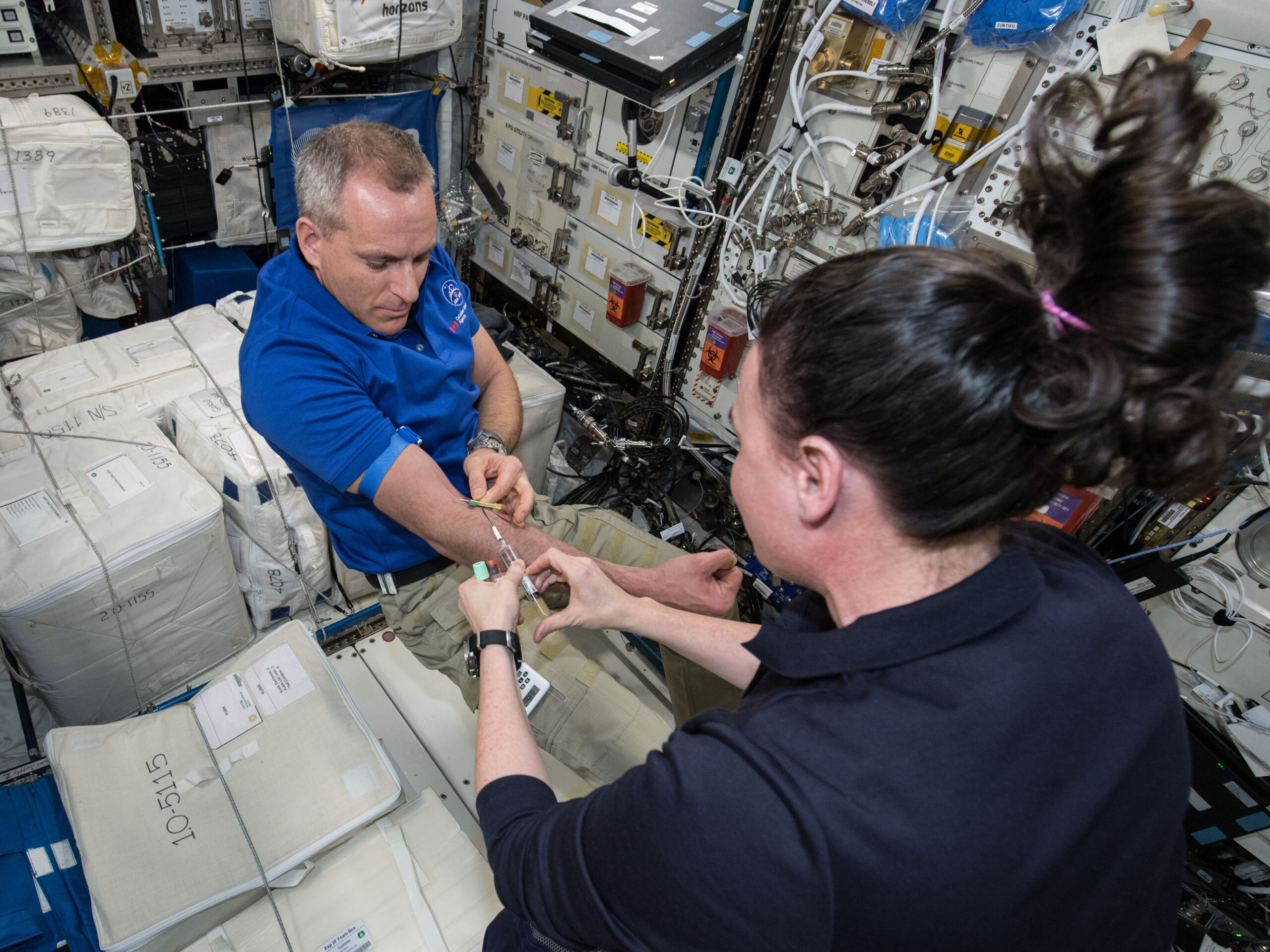
The Importance of Blood Sampling in Space Missions
Space exploration has always challenged our understanding of human resilience, health, and physiology. As astronauts venture beyond Earth’s atmosphere to live and work aboard the International Space Station (ISS), maintaining their health becomes an even more critical concern. One of the key methods employed by space agencies to monitor astronaut health is the collection of blood samples directly in space. But why is this practice so vital, and how does it influence the safety and well-being of crew members?
Understanding the Unique Challenges of Space on Human Physiology
Long-duration missions expose astronauts to an environment vastly different from Earth’s natural conditions. Microgravity affects almost every system in the body, leading to physiological changes such as muscle atrophy, bone density loss, fluid shifts, and alterations in immune function. These changes pose significant health risks if not properly monitored and managed.
Traditional medical diagnostics involve comprehensive testing on Earth, but in space, the situation demands a more proactive approach. Regular blood analysis allows for real-time insights into how spaceflight impacts the body’s internal processes, helping scientists and medical officers make informed decisions to safeguard astronaut health.
The Process of Blood Collection in Space
Collecting blood aboard the ISS involves sophisticated procedures tailored to microgravity. Crewmates are trained to perform blood draws using specialized kits designed for space conditions. The process includes:
- Preparation: Ensuring sterile conditions and preparing all necessary equipment, including needles, collection tubes, and antiseptics.
- Blood Draw: Using a vacuum-sealed system to draw blood, usually from a vein in the arm, similar to Earth-based procedures but with adaptations for microgravity.
- Storage and Analysis: Collecting blood into containers that can either be stored onboard for future return or analyzed immediately using onboard devices.
These samples are vital for ongoing research, medical diagnostics, and understanding how space travel modifies human biology.
Why Is Blood Collection Critical for Space Missions?
Monitoring Health Parameters
Blood tests provide insights into key indicators such as immune response, hormone levels, metabolic status, and signs of stress or illness. Continuous monitoring ensures early detection of potential health problems, such as infections or bone density loss, enabling timely interventions.
Advancing Space Medicine
Data from blood samples help scientists develop better countermeasures against space-induced health issues. For instance, understanding how muscle tissue degrades in microgravity can lead to tailored exercise protocols or pharmacological solutions.
Research and Human Physiology
Blood samples also support scientific studies on how prolonged space missions influence human physiology, with findings providing insights relevant to aging, disease, and rehabilitation on Earth.
The Broader Impact: Space Research Benefits Earthly Medicine
Research conducted through blood samples in space goes beyond astronaut health—many discoveries have direct applications to medicine on Earth. For example, studying muscle loss in microgravity has enhanced our understanding of sarcopenia (age-related muscle decline). Similarly, insights into immune system alterations under space conditions have informed treatments for immune deficiencies and autoimmune diseases.
Furthermore, innovative blood analysis techniques developed for space are now being adapted for telemedicine, enabling remote diagnostics and improving healthcare access in remote or underserved areas.
Technological Innovations Driving Space Blood Analysis
Modern space agencies utilize advanced technologies such as miniaturized lab devices and automated analyzers that operate onboard the ISS. These innovations allow rapid assessment of blood components, including:
- Complete blood counts
- Biochemical markers
- Hormone levels
- Markers of inflammation or infection
This capability toward real-time diagnostics signifies a major leap in space medicine, reducing reliance on return trips to Earth for sample analysis.
The Challenges of Blood Sampling in Space
Despite its importance, conducting blood tests in space involves notable challenges:
- Microgravity Effects: Blood and other fluids do not follow gravity, requiring specially designed collection and handling procedures to prevent contamination or loss.
- Limited Space and Resources: Spacecraft have finite storage, requiring careful planning and prioritization of samples.
- Training and Skill: Astronauts need thorough training to perform venipuncture correctly and safely without medical professionals present.
- Sample Preservation: Ensuring samples are preserved intact for return to Earth laboratories demands innovative storage solutions.
Overcoming these obstacles is essential to maintain the integrity of health data collected in orbit.
The Future of Space Blood Monitoring and Its Earthly Implications
As space missions extend toward Mars and beyond, blood monitoring will become even more crucial. The development of autonomous medical systems and artificial intelligence will facilitate onboard diagnosis and treatment, reducing the need for frequent Earth-based interventions.
On Earth, insights gained from space research continue to influence medical sciences, enhancing our understanding of chronic diseases, aging, and trauma care. Space agencies are also exploring the potential of personalized medicine based on blood biomarkers, influenced by studies aboard the ISS.
Conclusion
Blood collection on the ISS exemplifies the innovative intersection of space exploration and medical science. It helps monitor astronaut health in a challenging environment, advances our understanding of human physiology, and fosters technological innovations that benefit medicine on Earth. As humanity’s ambitions in space grow, so will the importance of such health-monitoring practices, ensuring that space travelers remain healthy as they push the boundaries of exploration.
For more updated news please keep visiting Hourly Prime News.