

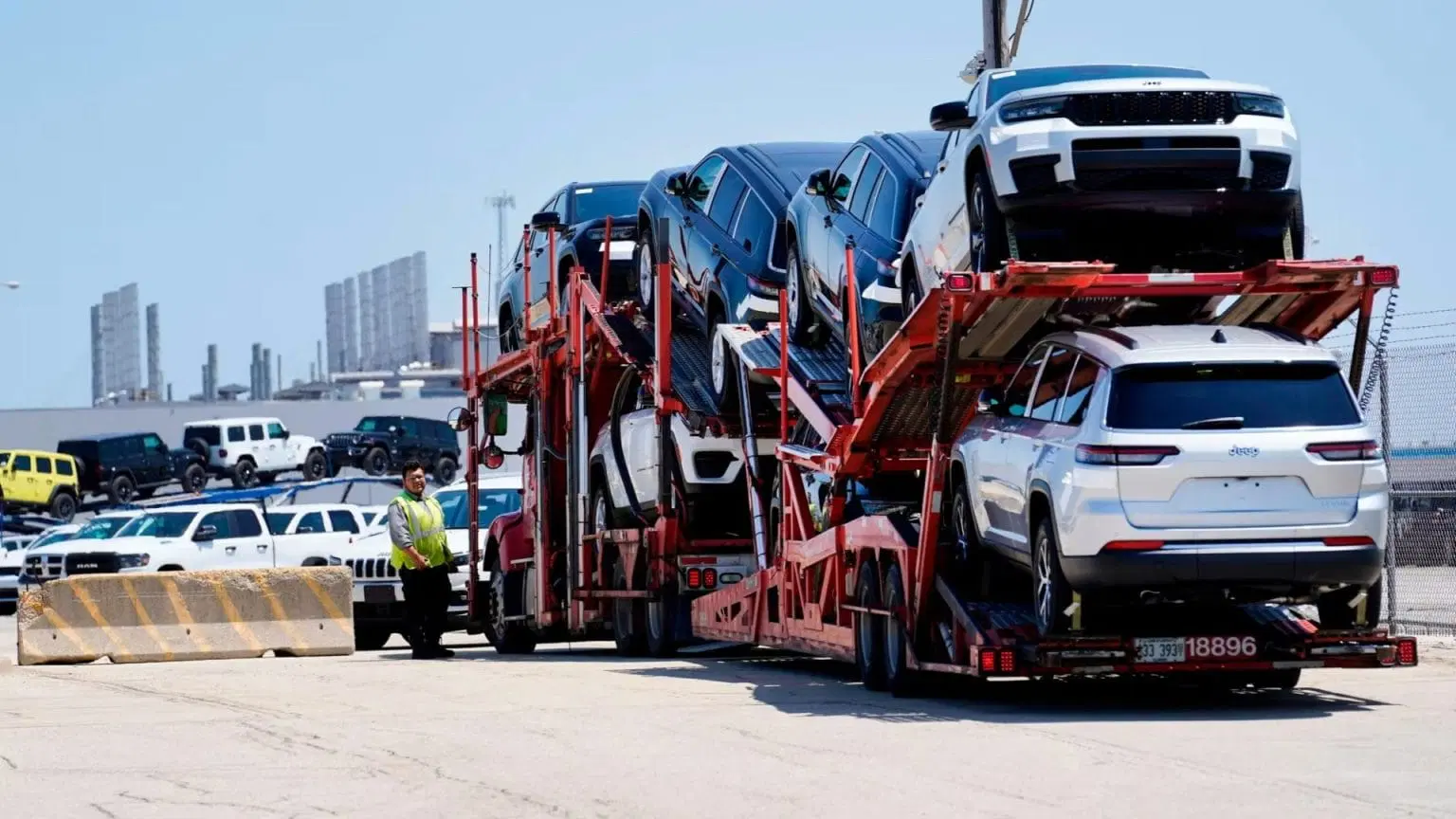
The automotive industry in the United States has long been a significant contributor to the country’s economy, providing millions of jobs and key innovations. However, recent shifts in trade policies, particularly tariffs imposed by the U.S. government, have started to create financial hurdles for car manufacturers, especially for multinational automakers like Stellantis. As tariffs continue to weigh heavily on their supply chains and production costs, Stellantis finds itself facing a considerable financial hit, with losses surpassing hundreds of millions of dollars.
Understanding the Tariff Impact on Stellantis
The Scope and Scale of Tariffs
The U.S. government has implemented tariffs — specifically on imported goods from certain countries — as part of broader trade policies aimed at protecting domestic industries. These tariffs have significantly affected automakers that rely on global supply chains. Stellantis, an automotive giant formed through the merger of Fiat Chrysler Automobiles and PSA Group, imports a substantial portion of its vehicle components and finished vehicles into the U.S. market.
According to recent reports from Wards Auto, it has been estimated that the direct financial consequence of these tariffs on Stellantis has reached at least $350 million so far.
Breaking Down the Financial Toll
This staggering figure encapsulates multiple costs inflicted by tariffs, including:
- Increased Import Costs: Tariffs have raised the price of imported parts and vehicles, leading to higher manufacturing expenses.
- Supply Chain Disruptions: Uncertainty and delays in sourcing components have driven up logistical costs and production timelines.
- Reduced Profit Margins: To maintain competitive pricing, Stellantis has had to absorb some costs, significantly squeezing profit margins.
- Strategic Adjustments: The company has been forced to re-evaluate supplier relationships and manufacturing locations, often incurring additional expenses in the process.
Strategic Responses to Tariff Challenges
Adjustments in Manufacturing and Supply Chains
In response to the mounting costs, Stellantis has taken several strategic steps to mitigate the impact:
- Localization of Supply Chains: Moving some production and sourcing closer to the U.S. border to avoid tariffs and reduce transportation costs.
- Diversification of Suppliers: Expanding its network of suppliers across different regions to avoid reliance on countries subject to tariffs.
- Increased Inventory Levels: Stockpiling key parts and vehicles to cushion against supply chain disruptions and tariff fluctuations.
Financial Strategies and Future Outlook
While these measures offer temporary relief, the overall financial strain remains a concern. Recognizing the potential long-term effects, Stellantis is also advocating for policy changes and tariff negotiations with U.S. authorities. The company’s leadership emphasizes the importance of maintaining a balanced trade environment that fosters global collaboration without penalizing imports excessively.
The Broader Auto Industry Perspective
Stellantis is not alone in bearing the brunt of U.S. tariffs. Many other automakers, including General Motors and Ford, have voiced similar concerns about increased costs and operational complexities. The tariffs have an overarching impact on the competitiveness of American-made vehicles, importers, and foreign automakers operating in the U.S. market.
The broader industry is watching closely as policymakers reconsider trade policies, with some calling for tariff relief to support the automotive sector’s recovery and growth. The current situation underscores the delicate balance between safeguarding domestic manufacturing and fostering a healthy, competitive global auto industry.
Implications for Consumers and Market Dynamics
The rising costs driven by tariffs inevitably trickle down to consumers. Higher vehicle prices, limited model availability, and potential delays become more common as automakers scramble to adjust their strategies. Customers may face increased prices for new vehicles or experience reduced choices in certain segments.
Market Adaptations and Consumer Impact
- Pricing Volatility: Manufacturers adjusting prices to offset increased costs, thereby creating unpredictable market conditions.
- Innovation and Efficiency: Automakers investing more in technological innovations and efficient manufacturing to cope with the added financial pressure.
- Global Competition: The shift in trade dynamics encourages companies to develop alternative markets and supply chains, potentially leading to a more diversified global automotive market.
Conclusion: Navigating Future Challenges
The ongoing tariffs and their substantial financial implications highlight the need for strategic agility within the automotive industry. For Stellantis and its counterparts, adapting to these challenges will require innovative supply chain management, strategic investments, and perhaps advocacy for policy reforms. The $350 million cost so far is a wake-up call, emphasizing the importance of resilient business models capable of weathering trade policy shifts.
As the industry continues to evolve amidst geopolitical and economic uncertainties, one thing remains clear: tariffs are more than just trade barriers—they significantly influence corporate strategies, market dynamics, and ultimately, consumer choices. Stakeholders across the spectrum must stay vigilant and proactive in navigating this complex landscape.
For more updated news please keep visiting Hourly Prime News.