

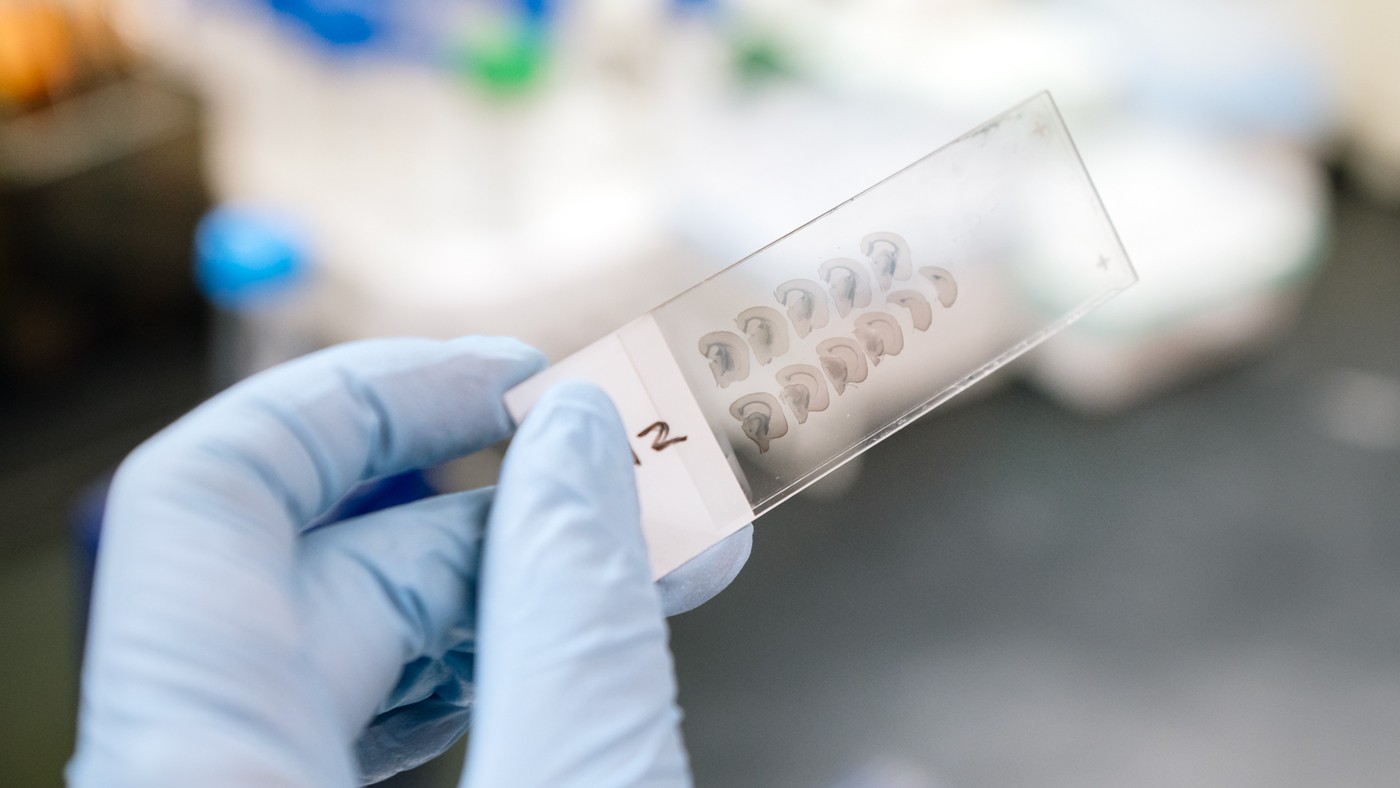
Recent groundbreaking research has ignited new hope in the field of neurodegenerative diseases, especially Alzheimer’s disease. Scientists have discovered that certain cancer drugs, traditionally used in oncology, possess remarkable potential to reverse gene damage associated with Alzheimer’s, at least in animal models. This promising finding suggests a paradigm shift in how we understand and approach the treatment of Alzheimer’s, a disease that affects millions worldwide and currently has no definitive cure.
The Link Between Cancer Drugs and Neurodegeneration
At first glance, cancer and neurodegenerative diseases such as Alzheimer’s may seem unrelated, but they share common molecular pathways, particularly those involved in cell growth, apoptosis (programmed cell death), and DNA repair. Researchers have long been exploring the overlap between these fields, seeking drugs that can modulate the underlying genetic and cellular processes.
Recent studies have focused on two specific cancer drugs that appear to have the capacity to repair or reverse damaged gene behavior in the brain, thereby restoring normal cellular function. These drugs target epigenetic mechanisms—changes in gene expression that do not alter the DNA sequence itself but affect how genes are turned on or off.
Recent Pioneering Research Discoveries
Reversing Damaged Gene Behavior in Mice
An influential study, as reported by Alzheimer’s disease: Researchers find two cancer drugs reverse damaged gene behaviour in mice by The Hindu, revealed that using certain cancer drugs could reverse the gene damage typically associated with Alzheimer’s progression.
According to the research, these drugs correct epigenetic modifications—chemical tags that regulate gene activity—restoring genes to their normal function. This reversal at the genetic level not only prevents further damage but also shows signs of reversing existing neuronal deficits in mice models.
Understanding the Mechanism
The primary mechanism involves the modulation of epigenetic markers, particularly DNA methylation and histone modifications. In Alzheimer’s disease, abnormal epigenetic changes suppress essential genes required for neuron survival and synaptic function. Cancer drugs that target epigenetic enzymes, such as histone deacetylase inhibitors, can potentially reactivate these genes.
By restoring proper gene expression, these drugs promote healthier brain cell functioning, improve memory, and slow down neurodegeneration. The findings suggest that targeting epigenetic dysregulation might be a viable therapeutic strategy for Alzheimer’s, shifting focus from symptom management to disease modification.
Pioneering Studies and Evidence
Memory Enhancement in Mouse Models
Another critical study, covered by Alzheimer’s Mouse Model Shows Memory Boost from Anticancer Drug Combo by Genetic Engineering and Biotechnology News, demonstrated that specific combinations of anticancer drugs significantly improved memory function in mice models with Alzheimer’s-like pathology.
This research highlights the potential of drug repurposing—using existing medications for new therapeutic purposes—saving time and resources in drug development. With further refinement, such drug combinations may someday be designed for human use.
Implications for Future Alzheimer’s Treatments
The positive outcomes from preclinical animal studies draw attention to the possibility of translating these findings into human therapeutics. If these cancer drugs can be proven safe and effective in humans, it could revolutionize Alzheimer’s treatment in several ways:
- Disease Modification: Instead of just alleviating symptoms, it could actually slow or reverse disease progression.
- Early Intervention: Epigenetic therapies might be effective in the early stages, preventing extensive neuronal damage.
- Personalized Medicine: Epigenetic profiles could help tailor treatments to individual genetic and epigenetic alterations, ensuring better outcomes.
However, it is vital to note that these studies are still in preliminary stages. Clinical trials involving human subjects are essential to confirm safety, dosage, and effectiveness.
Potential Challenges and Future Directions
While the research is promising, several challenges remain:
- Side Effects: Cancer drugs are potent and may have adverse effects when used long-term or in different populations.
- Drug Delivery: Effectively delivering these drugs across the blood-brain barrier remains a technical hurdle.
- Complexity of Alzheimer’s: The disease involves multiple pathways; thus, combination therapies may be necessary for optimal results.
Future research will need to address these issues, potentially through developing more targeted epigenetic drugs with fewer side effects or combining pharmacological treatments with lifestyle interventions.
Conclusion
The discovery that existing cancer drugs can reverse gene damage associated with Alzheimer’s in mice models marks a pioneering step towards new, more effective treatments. It exemplifies the innovative approach of drug repurposing, harnessing the power of drugs already approved for one use to treat devastating conditions like Alzheimer’s.
While it’s still early days, these studies offer a glimpse into a future where gene-based therapies could transform the course of Alzheimer’s disease, bringing hope to millions of patients, families, and caregivers around the world.
Disclaimer: These findings are based on animal studies, and further research is essential before clinical application in humans. Always consult healthcare professionals for medical advice and treatment options.
For more updated news please keep visiting Hourly Prime News.