

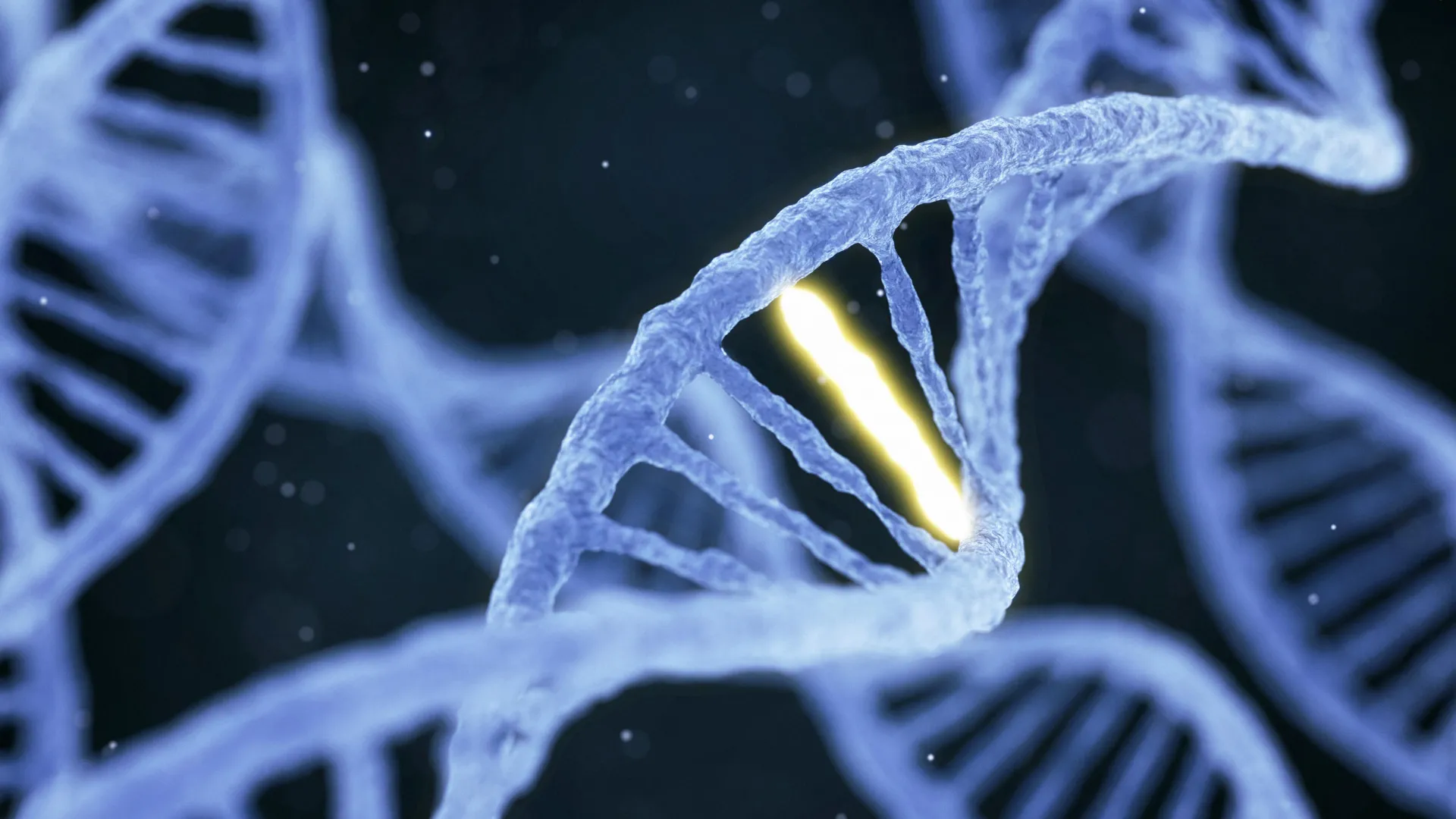
Recent breakthroughs in genetic research have shed light on a fascinating and complex world hidden within the very fabric of human DNA. For decades, scientists believed that the majority of our genetic material, often labeled as “junk DNA,” lacked any functional role. However, groundbreaking discoveries are now challenging this long-held misconception, revealing a sophisticated “secret code” encoded in our genomes. This revelation not only expands our understanding of human biology but also opens new doors for medical innovation and personalized therapies.
The Discovery of a Hidden Code in DNA
According to a recent ScienceDaily article, scientists have uncovered a “secret code” embedded within human DNA – a code that is fundamental to understanding how our genes function, regulate, and influence our development and health. This code isn’t composed of the familiar sequences of genetic base pairs alone but involves intricate patterns that encode regulatory information, much like data in a computer system. The recognition of this code is considered one of the most profound achievements in modern genetics.
Beyond the “Junk” – Revealing the Role of Non-Coding DNA
For years, large portions of the human genome were dismissed as “junk DNA” because their functions seemed unknown. However, recent studies, such as those highlighted here from Phys.org, are transforming our understanding of non-coding regions of DNA that regulate gene expression. These regions, once thought to be mere “junk,” are now recognized as vital components controlling when, where, and how genes are activated, influencing everything from cellular development to disease processes.
The Role of Transposons: The “Jumping Genes” with Regulatory Powers
One particularly intriguing element in our genome is transposons, commonly known as “jumping genes.” Recent Genetic Engineering and Biotechnology News highlights new research revealing that transposons play crucial regulatory roles in gene expression networks. These elements can insert themselves into various genomic locations, influencing gene activity and creating genetic diversity. Far from being parasitic “junk,” transposons are now seen as integral to genome evolution and regulation.
The Implication of “Junk DNA” in Human Health and Disease
The newfound understanding of non-coding DNA’s regulatory functions has profound implications for medicine. Variations in these regions are linked to susceptibility to complex diseases such as cancer, neurological disorders, and autoimmune conditions. This insight drives a paradigm shift from focusing solely on protein-coding genes to considering the entire genomic landscape in disease diagnosis, risk assessment, and therapy development. For instance, a study from Earth.com emphasizes that these regulatory elements impact how genes respond to environmental factors, making them key to understanding personalized medicine.
The Evolutionary Perspective: Why is Junk DNA Essential?
Evolutionary biologists are increasingly recognizing the importance of non-coding DNA. Elements like transposons and other non-coding sequences provide genetic variability and adaptability, offering evolutionary advantages. A recent Evolution News discusses how these ancient sequences contribute to the resilience and complexity of the human genome, providing raw material for natural selection and adaptation.
Future Directions: Unlocking the Full Potential of DNA Coding
The recent discoveries about DNA’s hidden “secret code” pave the way for revolutionary advances in genetics. As researchers decipher more about these regulatory sequences, we can anticipate breakthroughs such as:
- Personalized medicine: Tailoring treatments based on individual genomic regulatory landscapes.
- Gene editing: Improving precision in tools like CRISPR by understanding non-coding regulation.
- Early diagnostic markers: Identifying genetic signatures associated with diseases before symptoms appear.
- Evolutionary insights: Tracing human ancestry and adaptive traits through non-coding DNA patterns.
Conclusion: A New Chapter in Genetic Understanding
The era of considering non-coding DNA as mere “junk” is coming to an end. Instead, researchers now recognize these sequences as vital repositories of information that regulate biological processes at a fundamental level. The discovery of the hidden code in human DNA not only challenges old paradigms but also unlocks unprecedented possibilities in medicine, evolution, and our understanding of what makes us human.
This evolving field demonstrates that our genome is not just a blueprint but a highly intricate, dynamic system filled with secrets waiting to be uncovered. As science continues to decode and explore these genetic mysteries, humanity stands on the cusp of transformational advances with the potential to heal, understand, and enhance human life.
For more updated news please keep visiting Hourly Prime News.