

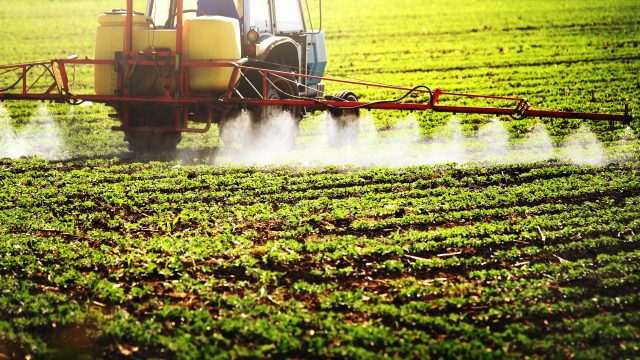
In recent years, concerns about the health and well-being of farmers have surged, particularly regarding the impact of chemical exposure resulting from pesticide use. Among the emerging issues is an unusual and alarming phenomenon: widespread sleep deprivation among farmers globally. Reports and studies have begun to shed light on how these chemical agents might be disrupting not just the environment but also the vital sleep patterns of those working tirelessly to sustain our food supply.
The Critical Link Between Pesticides and Sleep Disruption
Farmers are at the frontline of pesticide exposure, often handling chemicals that are designed to kill pests but can also have unintended adverse effects on human health. An alarming account from an article published by “I barely sleep for four hours”: Are pesticides robbing farmers worldwide of sleep? highlights a disturbing trend where farmers report minimal sleep—sometimes as little as four hours nightly.
Understanding the Impact: Scientific and Anecdotal Evidence
This phenomenon is not anecdotal alone but is increasingly supported by scientific observations and research. Several key factors link pesticide exposure to sleep deprivation:
- Neurotoxicity: Certain pesticides contain neurotoxins that interfere with the nervous system. These toxins may disturb the circadian rhythm, leading to difficulty falling asleep or maintaining restful sleep.
- Hormonal Disruption: Pesticides with endocrine-disrupting properties can disturb hormonal balances that regulate sleep cycles, like melatonin.
- Physical and Mental Stress: The continuous effort to handle, apply, and regulate pesticide use imposes physical and psychological stress on farmers, further impairing sleep quality.
- Environmental Factors: Chronic exposure in heavily farmed areas alters environmental conditions, which can indirectly affect sleep patterns.
Long-Term Health Consequences of Sleep Deprivation in Farmers
Prolonged sleep deprivation is more than just fatigue; it has profound health implications:
Impacted Immune Function
Sleep is critical for immune system regulation. Persistent lack of sleep may leave farmers more susceptible to infections and illnesses—a crucial concern given their exposure to various chemicals and environmental factors.
mental health Challenges
Chronic sleep loss has been linked to increased risks of depression, anxiety, and stress-related disorders. For farmers, whose livelihoods depend on physical and mental resilience, this could exacerbate vulnerabilities.
Reduced Productivity and Safety Risks
Sleep deprivation impairs concentration, decision-making, and motor skills, increasing the risk of accidents, especially when operating machinery or handling chemicals.
The Broader Implications for Global Agriculture
If pesticides are indeed contributing to widespread sleep disturbances among farmers, the ramifications extend beyond individual health:
- Decreased Crop Yields: Sleep-deprived farmers may struggle with productivity, leading to lower yields and economic instability.
- Environmental Concerns: Increased pesticide use due to pest resistance or poor application techniques can perpetuate a cycle of chemical dependence and exposure.
- Public Health Risks: As farmers become chronically ill or incapacitated, community health and food security could be compromised.
What Can Be Done? Addressing the Issue
Mitigating the impact of pesticides on sleep requires a multi-faceted approach:
- Introducing Safer Alternatives: Promoting integrated pest management (IPM), biological control methods, and organic farming practices to reduce chemical reliance.
- Enhanced Education and Training: Educating farmers on safe pesticide handling, protective gear, and the potential health risks.
- Implementing Regulations and Monitoring: Strengthening policy frameworks and continuous health monitoring to limit exposure and address health issues early.
- Providing Health Support Services: Offering medical checkups, mental health support, and sleep clinics tailored for farming communities.
Conclusion
The evidence linking pesticide exposure with sleep deprivation among farmers is mounting, underscoring an urgent need for action. As the backbone of our global food system, farmers deserve better protection—not only from immediate chemical hazards but also from the insidious health consequences that compromise their sleep and well-being. Collaborative efforts among policymakers, scientists, and farming communities are vital to ensure safer, healthier working environments.
Addressing this issue comprehensively can lead to healthier farmers, improved productivity, and a more sustainable approach to agriculture that respects both human health and the environment.
For more updated news please keep visiting Hourly Prime News.