

The Dramatic Thaw in Svalbard: A Wake-Up Call for Global Climate Change
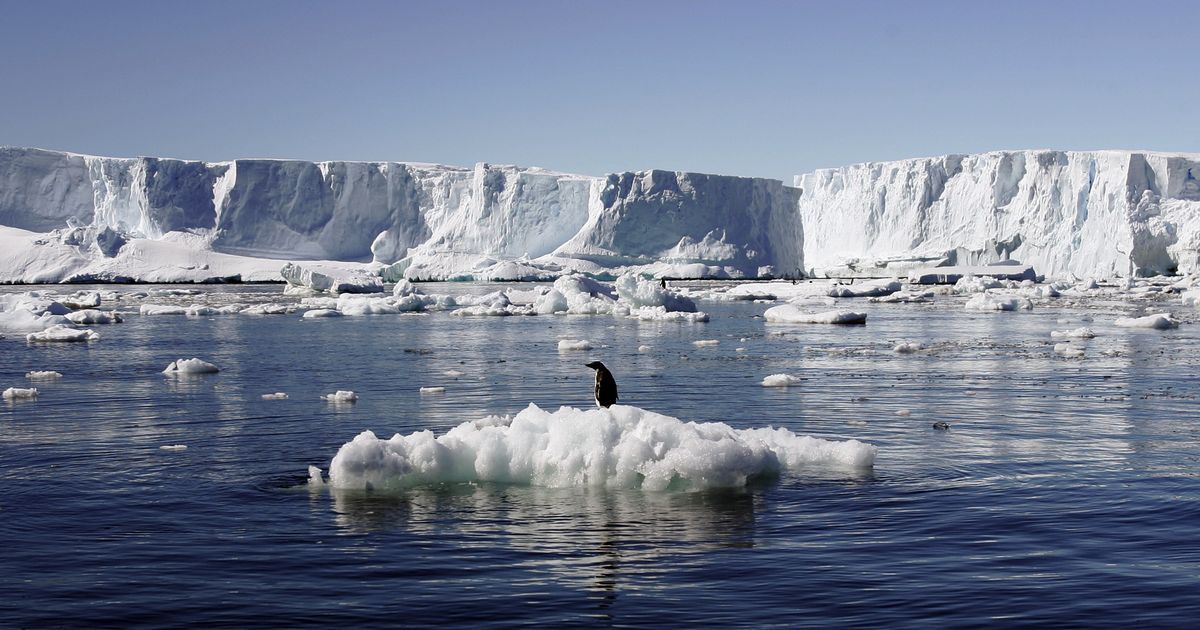
The Arctic, often called the Earth’s refrigerator, is experiencing unprecedented changes this winter season. Recent scientific observations highlight a startling trend: the Arctic winter is reaching its melting point earlier and more intensely than ever before. Among the most affected regions is Svalbard, a Norwegian archipelago situated high in the Arctic Ocean. Studies indicate that this area is witnessing a dramatic thaw, challenging previous assumptions about the stability of polar ice and climate patterns.
Understanding the Significance of Svalbard’s Melting Freeze
Svalbard serves as a critical indicator of climate health for the entire Arctic region. Historically, it has experienced sustained cold temperatures that kept its glaciers intact during long winter months. However, mounting evidence suggests that this stability is deteriorating rapidly. According to recent reports by Phys.org,
- Temperature anomalies are increasingly observed during the Arctic winter months, with many parts of Svalbard experiencing temperatures above the freezing point despite the season.
- Accelerated ice loss is being documented, leading to concerns about the potential collapse of glaciers and ice caps in the region.
- Historical patterns show that such early and intense melts have not been typical in the past, indicating a shift in climate dynamics.
Climate Change: The Catalyst Behind Arctic Melting Trends
The Arctic amplification phenomenon — where polar regions warm faster than the global average — is a primary driver of the recent changes observed in Svalbard. Rising greenhouse gas concentrations, primarily CO2 emissions, have led to increased global temperatures. However, the Arctic has been disproportionately affected due to specific feedback mechanisms, such as the loss of reflective ice cover exposing darker ocean surfaces that absorb more heat.
Key Factors Contributing to Accelerated Melting
- Sea Ice Decline: The shrinking extent and thinning of sea ice diminish the natural barrier that usually insulates the land and sea from extreme temperature fluctuations.
- Atmospheric Changes: Warmer air currents and increased storm activity trap heat in the Arctic region.
- Feedback Loops: Melting ice exposes darker surfaces that absorb more solar radiation, further accelerating temperature increases and ice melt.
The Ecological and Societal Ramifications
The rapid melt of Arctic winter ice has far-reaching implications beyond mere temperature fluctuations. These include:
Environmental Consequences
- Habitat Loss: Polar bears, seals, and Arctic seabirds rely heavily on stable ice for breeding, hunting, and resting. The melting threatens their survival.
- Disruption of Marine Ecosystems: Changes in ice cover alter ocean currents and nutrient cycles, impacting fish populations and other marine organisms.
- Permafrost Thawing: Melting ice accelerates permafrost degradation, releasing trapped methane — a potent greenhouse gas — into the atmosphere.
Global Implications
- Sea Level Rise: Melting ice contributes to rising sea levels, threatening coastal communities worldwide.
- Climate Feedbacks: Increased greenhouse gases from permafrost release intensify global warming, creating a vicious cycle.
- Economic Impact: Melting ice affects resource exploration and maritime navigation, opening new routes but also increasing environmental risks.
Scientific Observations and the Urgency for Action
Scientists monitoring the Arctic have documented a **drastic reduction in ice mass** during winter months in Svalbard and surrounding areas. These observations point towards a **changing climate pattern that is faster than predicted** by earlier climate models. The significance of these findings cannot be overstated, as they serve as early warning signals for the entire planet.
Research emphasizes that **immediate climate action is necessary** to curb greenhouse gas emissions and implement sustainable practices. This includes transitioning to renewable energy sources, strengthening international climate policies, and investing in climate resilience initiatives.
Personal and Policy-Level Responses
The ongoing Arctic changes demand both individual and collective responses:
- Individuals: Reduce carbon footprint through energy conservation, support sustainable products, and advocate for environmental policies.
- Policymakers: Enforce stricter emission standards, fund scientific research, and prioritize climate adaptation strategies.
- Global Cooperation: Address the root causes of climate change through international agreements such as the Paris Accord.
Looking Ahead: Hope Amidst the Challenges
While the current trend of rapid Arctic winter melting is alarming, advancements in scientific research and increasing environmental awareness provide hope. Enhanced monitoring technologies offer better projections and understanding, helping formulate effective mitigation strategies. Nonetheless, the window for action is rapidly closing, and immediate efforts are essential to prevent irreversible damage.
In conclusion, the melting of Arctic winter ice, especially in Svalbard, underscores the urgent need for global action on climate change. It serves as a stark reminder that the consequences of inaction will be severe, affecting ecosystems, human livelihoods, and the global climate system. The time to act is now — before the Arctic transforms beyond recognition.
For more updated news please keep visiting Hourly Prime News.