

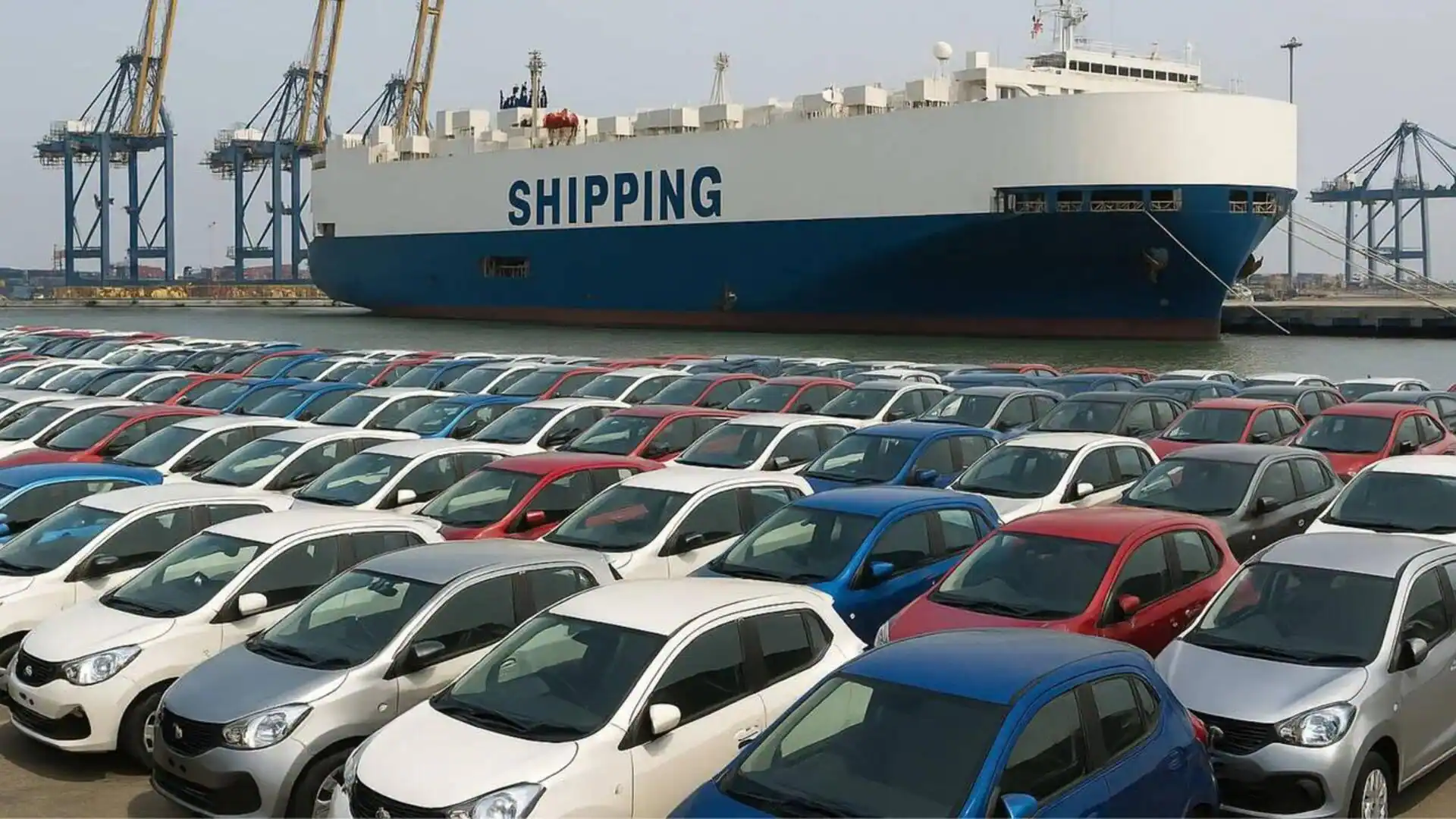
The Indian automobile industry has entered a remarkable phase of growth and global competitiveness in the first quarter of FY26. According to recent reports from the Society of Indian Automobile Manufacturers (SIAM), the country’s automobile exports have experienced a significant increase of **22%** compared to the previous year. This impressive surge underscores India’s rising prominence as a key global player in the automotive sector, driven predominantly by the export of passenger vehicles and two-wheelers.
Key Drivers Behind the Export Boom
The growth in exports can be attributed to several factors that have collectively amplified India’s automotive manufacturing capacity and international appeal. These include:
- Enhanced manufacturing capabilities: Indian automakers have ramped up production, adopting advanced technologies and expanding export-oriented manufacturing units to meet global demand.
- Favorable trade policies and export incentives: The Indian government’s proactive stance on promoting exports through policies and incentives has played a pivotal role in boosting automotive exports.
- Growing demand for affordable, durable vehicles: Export markets worldwide, especially in Southeast Asia, Africa, and Latin America, are seeking cost-effective vehicles, where Indian automakers excel.
- Strengthening of supply chains: Improvements in logistics, supply chain management, and component sourcing have reduced costs and increased competitiveness.
Passenger Vehicles Lead the Way
Among various segments, passenger vehicles have been at the forefront of the export increase. Indian automakers have successfully tapped into international markets by offering vehicles that combine affordability with quality and innovation. Notably, compact cars, sedans, and SUVs tailored to the preferences of emerging markets have seen robust demand.
Manufacturers like Tata Motors, Hyundai India, and Mahindra have expanded their global footprints, signing new export agreements and establishing dedicated export lines. The strategic focus on design, safety features, and fuel efficiency has made Indian passenger vehicles an attractive option for overseas buyers.
Two-Wheelers Dominate Export Figures
In parallel, two-wheelers have contributed significantly to India’s export growth. Known for their durability, affordability, and low maintenance costs, Indian two-wheeler brands such as Hero MotoCorp, Honda Motorcycle & Scooter India, and Bajaj Auto have successfully penetrated international markets.
Export destinations for two-wheelers include countries with developing economies where two-wheelers serve as primary transportation. This widespread appeal continues to drive exports upward, with innovations in electric and hybrid two-wheelers opening new markets and opportunities for Indian manufacturers.
Impact on the Indian Economy
The surge in automobile exports is rebounding as a crucial part of India’s broader economic strategy for growth and global integration. It provides employment opportunities, boosts the manufacturing sector, and enhances foreign exchange earnings. This momentum also encourages local automakers to invest in research and development, aiming to innovate and sustain their competitive edge.
Future Outlook and Opportunities
The positive trend is expected to continue as India further enhances its export infrastructure, adopts environmentally friendly technologies such as electric vehicles (EVs), and explores new markets. The government’s push towards electrification and upgrading manufacturing facilities will reinforce India’s position in the global automotive supply chain.
Furthermore, advancements in digitalization and smart manufacturing will enable Indian automakers to produce more competitive and customized vehicles for diverse markets. With global demand projected to remain steady or grow, India’s automobile export sector is poised for sustained growth in the coming years.
Challenges and Considerations
While the outlook is optimistic, there are challenges that need to be addressed to maintain and accelerate export growth:
- Global supply chain disruptions: Fluctuations in raw material availability and logistics issues could impact production schedules.
- Compliance with international standards: Ensuring vehicles meet diverse safety, emission, and quality standards remains a priority.
- Pricing pressures and competition: As more countries develop their own manufacturing sectors, Indian automakers must innovate to stay competitive.
- Environmental regulations: Increasingly stringent rules on emissions and sustainability call for rapid adaptation to electric and hybrid vehicles.
Addressing these challenges through policy support, technological innovation, and strategic market expansion will be key to sustaining India’s export growth trajectory.
Conclusion
The 22% rise in India’s automobile exports in Q1 FY26 marks a significant milestone for the country’s automotive industry. Driven primarily by passenger vehicles and two-wheelers, this upswing not only highlights the sector’s resilience but also underscores India’s rising stature as a formidable manufacturing hub on the global stage. With ongoing investments, innovation, and strategic market outreach, India is set to amplify its automotive export footprint further, contributing positively to economic growth and global competitiveness.
As India continues to evolve as a major automotive exporter, stakeholders from manufacturers to policymakers must collaborate to sustain this momentum, innovate responsibly, and explore new avenues for growth.
For more updated news please keep visiting Hourly Prime News.