

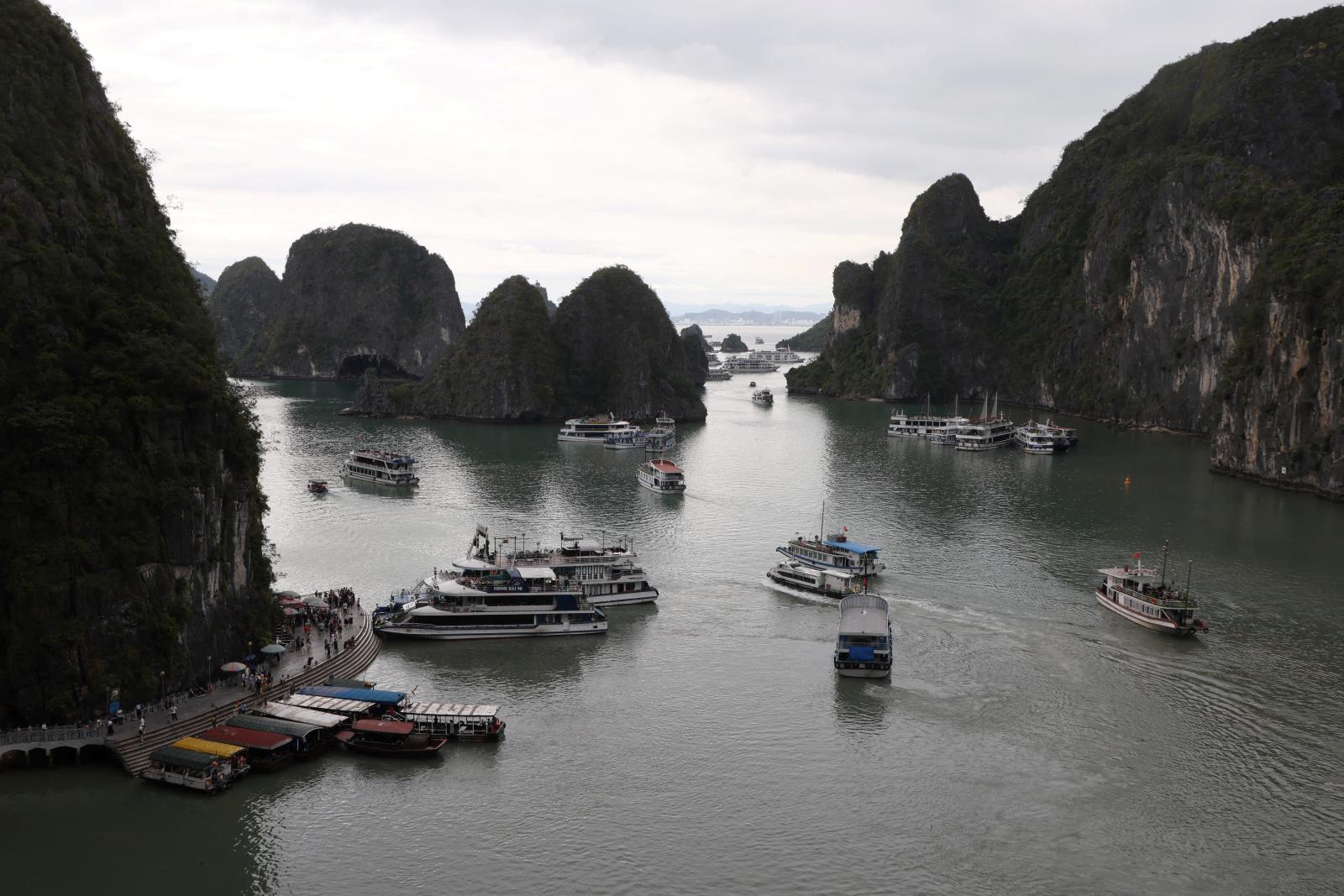
The serene and picturesque Ha Long Bay, famed for its majestic limestone karsts and emerald waters, is a popular tourist destination in Vietnam. However, this popular spot became the scene of a heartbreaking tragedy when a passenger boat capsized during a fierce thunderstorm, leading to a devastating loss of life. This incident not only shocked the nation but also raised questions about safety protocols, weather preparedness, and the risks tourists face in such natural attractions. With reports indicating that at least 28 people lost their lives in this calamity, it’s vital to understand the circumstances surrounding this disaster and the ongoing efforts to prevent such tragedies in the future.
The Incident Details
According to various news agencies, including the Times of India and CNN, a tourist boat on Ha Long Bay encountered a sudden and severe thunderstorm, which caused it to capsize unexpectedly. The boat, reportedly carrying dozens of tourists, was caught unprepared as the storm intensified rapidly. Local authorities confirmed that 28 individuals succumbed to the accident, with dozens more injured and missing.
The cruise was part of a popular sightseeing tour, and the incident unfolded amidst the backdrop of threatening weather which had been forecasted earlier but perhaps not adequately communicated to the tourists or the crew. Cellphone footage and eyewitness accounts describe frantic scenes following the capsizing, with many passengers struggling to stay afloat in the turbulent waters.
Weather Conditions and Emergency Response
Vietnam’s weather, especially in coastal and bay regions like Ha Long, can be unpredictable and prone to sudden storms. Experts say that the storm that hit Ha Long Bay during this incident was an unexpected meteorological event that caught travelers and crew off-guard. As the thunderstorm raged, winds intensified, and the sea became treacherous, exacerbating the danger for vessels out at sea.
The response from rescuers was swift but hampered by the severe weather. Search and rescue teams from local coast guards, fishermen, and emergency services launched efforts to retrieve survivors and recover bodies. According to officials, rescue operations continued for hours, involving boats, helicopters, and divers, but unfortunately, many lives were already lost by the time help arrived.
This tragedy underscores the critical importance of weather monitoring and timely communication to prevent similar incidents. The Vietnamese authorities are now reviewing safety procedures and considering stricter regulations on boat deployments during adverse weather conditions.
Victims and Personal Stories
Among the victims were tourists from various parts of Vietnam and potentially international visitors, all eager to experience the natural beauty of Ha Long Bay. The families of the victims are mourning the loss of their loved ones, and stories of heroism and despair have begun to emerge in the aftermath.
One survivor recounted how passengers scrambled to hold onto floating debris and how some helped others to stay afloat until rescue vessels arrived. Such stories of resilience highlight both the vulnerability and strength of those caught in this tragedy. The precise number of survivors remains uncertain, but local authorities continue to search for missing persons, emphasizing the ongoing nature of recovery efforts.
Safety Concerns and Future Precautions
This tragic event raises global concerns about maritime safety, especially in regions where tourism heavily depends on boat excursions. Experts emphasize the need for strict regulation and regular safety drills for crew members, especially when operating in unpredictable weather conditions.
Some safety recommendations include:
- Advanced weather monitoring systems to alert vessels promptly about imminent storms.
- Mandated safety gear for all passengers, including life jackets and emergency kits.
- Regular safety drills for crew to effectively handle emergencies at sea.
- Clear communication channels between tour operators, authorities, and tourists regarding weather updates and safety protocols.
Authorities are also considering limiting boat operations during storms or adverse weather, especially for smaller vessels that are more vulnerable. The incident acts as a stark reminder that nature’s power can be unpredictable and deadly if proper precautionary measures are not in place.
Investigations and Repercussions
The Vietnamese government has launched an investigation into the disaster, focusing on the adequacy of safety procedures, weather alerts, and whether the vessel was compliant with safety standards. Preliminary reports suggest that the boat may not have been equipped with adequate safety measures and that the crew might have lacked sufficient training for emergency situations.
Legal actions are anticipated for those found negligent, alongside potential compensation for the victims’ families. Additionally, this incident has prompted a reevaluation of tourism safety standards in Vietnam’s coastal and offshore regions.
Public and International Reactions
The tragic loss of life has garnered widespread condemnation and grief both within Vietnam and internationally. Many organizations and governments have expressed their condolences, emphasizing the importance of stringent safety protocols for tourist operations worldwide.
Tourism authorities in Vietnam have promised to improve safety standards and conduct thorough inspections of all vessels operating in Ha Long Bay and similar sites. This tragedy has also sparked a broader conversation about sustainable and safe tourism, particularly in vulnerable environments threatened by climate change and unpredictable weather patterns.
Conclusion
The Ha Long Bay boat tragedy serves as a somber reminder of the unforeseen dangers posed by natural elements and the critical need for strict safety measures in tourism activities. While the scenic beauty of places like Ha Long Bay attracts millions each year, it also demands heightened responsibility from operators, authorities, and travelers alike to ensure safety. As Vietnam mourns the loss of 28 lives, the hope is that such incidents catalyze comprehensive safety reforms to prevent future tragedies and protect those who seek to experience the world’s natural wonders.
Final Thoughts
Natural beauty should never come at the cost of safety. It is essential for all stakeholders involved in tourism to prioritize risk management, weather awareness, and emergency preparedness. Only through concerted efforts can we hope to safeguard travelers and preserve the awe-inspiring landscapes that captivate millions worldwide.
For more updated news please keep visiting Hourly Prime News.