

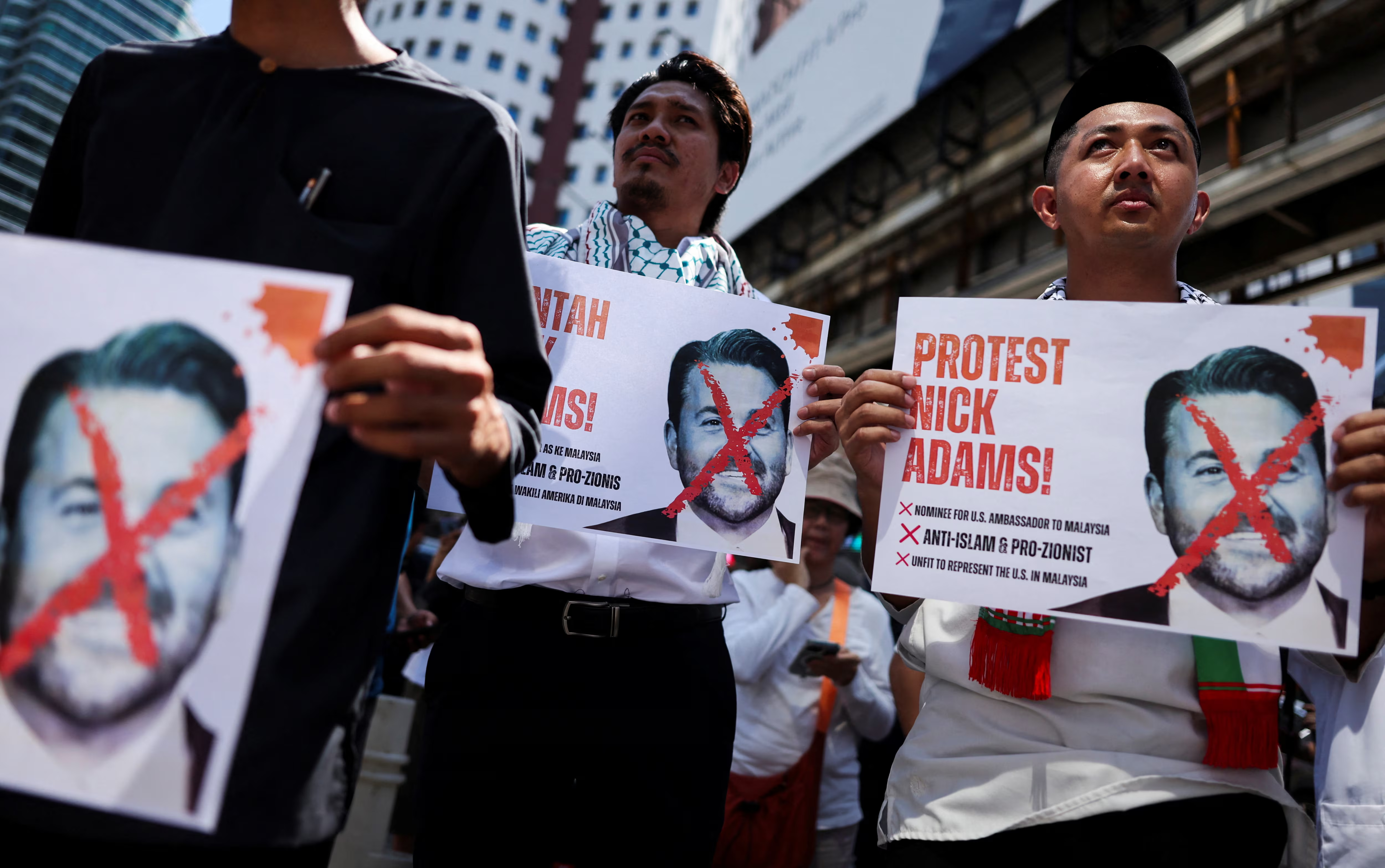
The political landscape of Malaysia has recently been shaken by widespread protests against the United States’ diplomatic nominations, specifically targeting the selection of a Trump administration nominee as the US ambassador. These protests underscore the deep-seated sentiments within Malaysia regarding US foreign policy and domestic political alliances, reflecting broader regional and international implications. As the news of the nomination surfaced, Malaysian citizens, activists, and political groups mobilized to voice their disapproval, leading to a series of demonstrations that garnered significant media attention.
The Nature and Scale of the Malaysian Protests
According to reports from Reuters, dozens of Malaysians took to the streets to protest the appointment of the US envoy suggested by the Trump administration. The protests were characterized by passionate demonstrations, with participants holding banners and chanting slogans that expressed their disapproval. The core grievances centered around the perceived alignment of the nominee with policies that many in Malaysia, and the broader Southeast Asian region, view as antagonistic, especially concerning issues like Israel relations, regional sovereignty, and US interventionist policies.
Key points about the protests include:
- Participants voiced strong opposition to the nominee, citing concerns over pro-Israel policies.
- Protesters condemned racism and Islamophobia, emphasizing that Malaysia stands against such ideologies.
- There were calls for the Malaysian government to consider the sentiments of its people before accepting or endorsing foreign diplomatic appointments.
The protests reflected a broader regional discontent regarding US diplomatic choices and their perceived impact on local and regional politics. The Malaysian voice was clear: the nation would not welcome any ambassador who might endorse policies perceived as hostile to Muslim communities and regional stability.
Regional and International Reactions
The protests in Malaysia are part of a rising wave of diplomatic tensions and domestic protests around the world in response to US foreign policy moves. Countries like Malaysia, which has historically maintained a cautious approach toward Washington, are increasingly vocal about their reservations—particularly when US appointments are seen as provocative.
In particular, Malaysian citizens and groups were concerned about the perceived pro-Israel stance of the nominee. As Al Jazeera reports, pressure has been building within Malaysia to reject any ambassadorial appointment that could be seen as aligning with policies hostile to Palestinians or that promote racial and religious intolerance. This opposition is not limited to grassroots protests but extends to official diplomatic circles, where the Malaysian government is facing mounting calls to give due consideration to the nation’s stance on international issues before proceeding with diplomatic confirmations.
The protests also highlight tensions over US foreign policy’s influence on Malaysia’s internal politics. Citizens are increasingly aware of how international nominations can shape regional peace and security, and they are eager to ensure that their nation’s sovereignty and values are respected.
The Controversial Nominee and Its Implications
The specific US nominee in question has sparked outrage among Malaysian protesters and various political groups. Critics argue that the individual’s previous statements and political affiliations suggest a bias that could undermine diplomatic relations or exacerbate existing regional tensions.
Furthermore, concerns are being raised about the implications of such a nomination on Malaysia’s regional relations, especially with other Southeast Asian nations. These countries are closely watching how the US will handle diplomatic appointments, considering their strategic importance and the delicate balance of regional geopolitics.
In response to the protests, some officials, including the Malaysian government, have indicated they will give due consideration to the nomination, analyzing its potential impact thoroughly before making any formal statements or decisions. Federal ministers and regional leaders are now engaged in diplomatic discussions internally and with allied nations, reflecting the importance of this issue on Malaysia’s foreign policy agenda.
Broader Context: US-Malaysia Relations and Domestic Politics
Historically, Malaysia’s relations with the United States have been pragmatic, marked by cooperation on trade, security, and counter-terrorism efforts. However, recent developments, including the nomination controversy, threaten to complicate this relationship.
The protests are also intertwined with Malaysia’s domestic political climate. Growing nationalist sentiments, resistance to perceived foreign interference, and a renewed focus on sovereignty are fueling public discontent. Citizens are asserting their right to voice opinions on international appointments, emphasizing that foreign policy decisions should align with their national interests and values.
Prime Minister Anwar Ibrahim’s administration has been navigating this sensitive landscape carefully. While openly acknowledging the importance of maintaining a constructive relationship with the US, officials have reiterated Malaysia’s stance on issues like racial equality, anti-racism, and regional stability.
Looking Ahead: What This Means for Malaysia and International Diplomacy
The protests signify a critical juncture in Malaysia’s diplomatic engagement with the US and the wider international community. They showcase the power of grassroots movements in influencing government decisions, especially concerning foreign policy.
For Malaysia, the key takeaway is the importance of balancing international diplomatic commitments with maintaining national sovereignty and public support. The government’s response will likely shape future diplomatic relations and set a precedent for how Malaysia approaches contentious international appointments.
On the global stage, these protests serve as a reminder that diplomatic nominations are not only about individual qualifications but also about regional perceptions, ideological affiliations, and respect for local sentiments. Countries now more than ever are asserting their agency in diplomatic affairs, making it imperative for nations to consider domestic reactions when engaging in international diplomacy.
Conclusion: The Ongoing Dialogue Between the People and the State
The protests in Malaysia mark an important expression of public sentiment against a foreign policy decision perceived as incompatible with national values and regional stability. They exemplify the rising trend of citizens demanding greater transparency and consideration from their governments, especially on issues with international repercussions.
As diplomatic Prozesse unfold, it remains to be seen how Malaysia’s government will navigate these turbulent waters. Will they heed the voices of their citizens or prioritize strategic alliances? This debate is ongoing, but one thing is clear: the Malaysian people are actively involved in shaping their nation’s international identity.
For more updated news please keep visiting Hourly Prime News.