

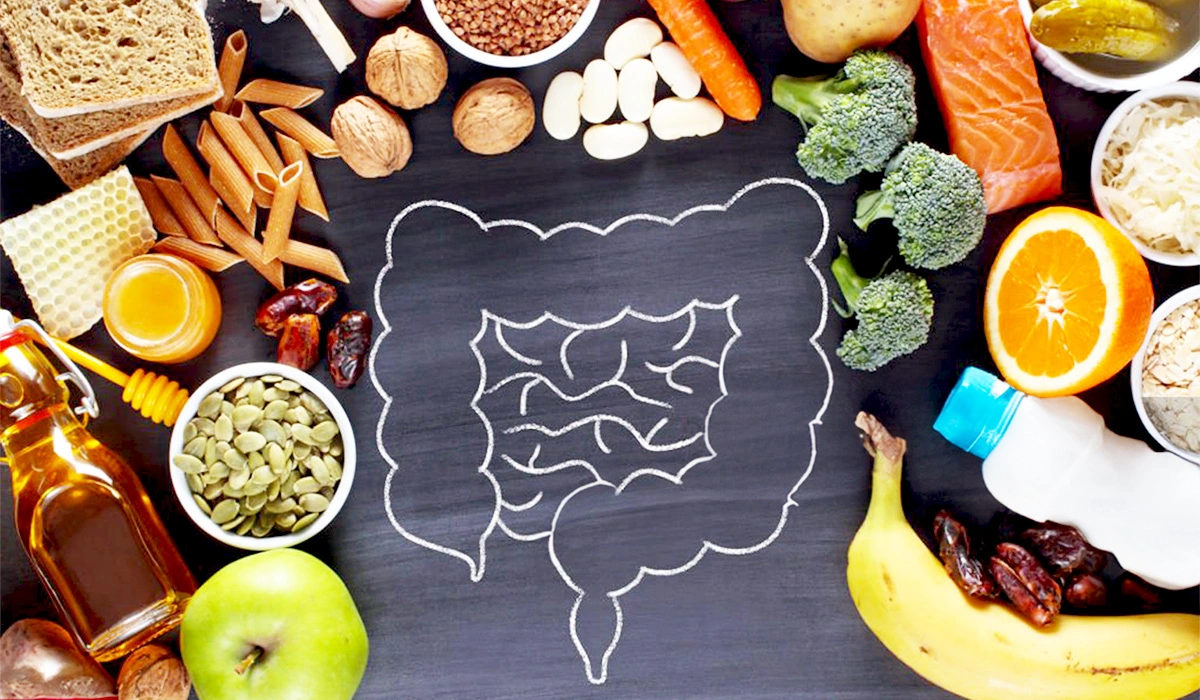
Maintaining optimal gut health is fundamental to overall well-being, yet a staggering 95% of people do not consume enough dietary fibre according to AIIMS gastroenterologist insights. Fibre is often overlooked, but it plays a vital role in digestion, weight management, and preventing numerous health issues. In this comprehensive guide, we will explore seven essential tips to help you boost your gut health, ensure adequate fibre intake, and enjoy better digestion every day.
Understanding the Importance of Fibre for Gut Health
Fibre is a type of carbohydrate found predominantly in plant-based foods that our bodies cannot digest. Instead of being broken down, fibre passes through the digestive system largely intact, aiding in regular bowel movements and nourishing beneficial gut bacteria. A deficiency in fibre can lead to problems such as constipation, bloating, and even increased risk of certain diseases like colon cancer.
The alarming statistic that 95% of individuals do not meet the recommended fibre intake highlights the need for more awareness and proactive habits. Incorporating high-fibre foods into your diet can have transformative effects on your digestion and overall health.
Top 7 Gut Health Tips for Preventing Fibre Deficiency
1. Prioritize Whole and Plant-Based Foods
Replace processed foods with whole grains, fruits, vegetables, legumes, and nuts. These foods are rich in dietary fibre and contain other essential nutrients that support gut health. For instance, choosing brown rice over white rice or whole-wheat bread over refined bread ensures higher fibre content. Incorporating a variety of plant-based foods provides diverse types of fibre, which nourish different beneficial gut bacteria and promote a healthy microbiome.
2. Start Your Day with Fibre-Rich Breakfasts
A fibre-rich breakfast sets the tone for better digestion throughout the day. Options like oatmeal topped with fruits, whole grain cereals, or smoothies containing chia seeds and oats provide an initial fibre boost. This can help regulate your digestive system, prevent hunger pangs, and improve nutrient absorption.
3. Incorporate Fruits and Vegetables Every Meal
Eating a colorful array of fruits and vegetables ensures your gut receives multiple types of fibre and antioxidants. Vegetables like broccoli, carrots, Brussels sprouts, and leafy greens are excellent sources. Fruits such as apples, pears, berries, and kiwis — which recent studies advocate for – enhance gut microbiota and may even help prevent certain cancers. For example, consuming two kiwis daily can significantly improve gut motility and digestion, as recent U.S. studies suggest.
4. Include Legumes and Pulses in Your Diet
Adding lentils, chickpeas, beans, and peas not only increases fibre intake but also provides plant-based proteins and essential nutrients. These foods promote a feeling of fullness, regulate blood sugar levels, and support beneficial gut bacteria. Aim to include legumes in your weekly meal plan at least 2-3 times to enjoy these benefits.
5. Limit Intake of Highly Processed and Low-Fibre Foods
Processed snacks, fast foods, and refined grains often contain little to no fibre and can disrupt gut health. Avoid foods with added sugars and trans fats, and opt for minimally processed options. This transition can prevent constipation and reduce inflammation in the gut.
6. Stay Hydrated and Support Fibre’s Function
Fibre works best when consumed with adequate water intake. Drinking plenty of water helps fibre swell and loosen stools, preventing constipation and promoting smooth digestion. Aim for at least 8 glasses of water daily, especially if your diet is high in fibre.
7. Engage in Regular Physical Activity
Exercise stimulates bowel movements, helps maintain a healthy weight, and promotes a diverse gut microbiome. Even simple activities like brisk walking, cycling, or yoga can significantly improve digestion and overall gut function.
Additional Tips for Gut Optimization
- Eat 2 kiwis a day: As highlighted in recent health articles, consuming kiwis daily can enhance gut motility and overall digestive health. Kiwis are rich in fibre and act as natural digestive aids.
- Avoid energy drinks and excess caffeine on hot days: Dehydration can impair digestion, so staying hydrated is critical, especially when sweating heavily.
- Limit brightly colored foods that may indicate artificial dyes: Some artificial colours may affect gut health negatively when consumed in excess.
- Consume a variety of foods weekly: Including diverse fibre sources and probiotic-rich foods like yogurt or fermented vegetables helps maintain a balanced gut microbiome.
Conclusion
Addressing fibre deficiency is one of the simplest yet most effective ways to improve your digestion and overall health. By making mindful choices such as incorporating more plant-based foods, staying hydrated, and engaging in physical activity, you can significantly reduce digestive discomfort and enhance your gut microbiota. Remember, small daily steps yield long-term benefits.
Implement these tips consistently, and you’ll be well on your way to a healthier, happier gut. Prioritize fibre — your digestion and overall wellness depend on it!
For more updated news please keep visiting Hourly Prime News.