

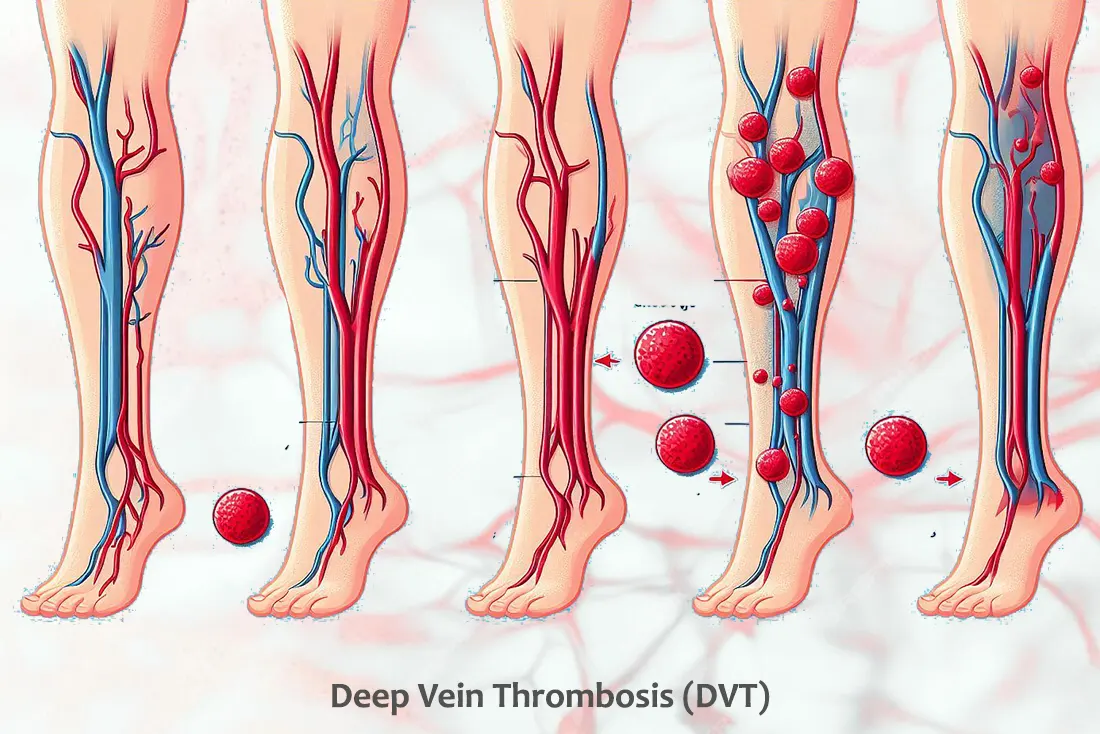
Deep Vein Thrombosis (DVT) is a serious medical condition that occurs when a blood clot forms in the deep veins, most often in the legs. This condition can pose significant health risks, especially if the clot dislodges and travels to the lungs, causing a potentially life-threatening pulmonary embolism. Recognizing the early warning signs of poor blood flow associated with DVT is crucial for timely diagnosis and treatment. In this article, we will explore six prominent symptoms that can indicate the presence of deep vein thrombosis and highlight the importance of awareness and prompt medical intervention.
Understanding Deep Vein Thrombosis and Its Implications
Deep vein thrombosis develops when blood flow slows down or becomes obstructed in the deep veins. Several factors contribute to this condition, including prolonged immobility, certain medical conditions, genetic predispositions, and lifestyle choices. The danger lies in the fact that DVT frequently presents with subtle symptoms, making early detection a challenge. If left untreated, DVT can lead to complications such as tissue damage, chronic venous insufficiency, and pulmonary embolism. Hence, being able to identify the warning signs is vital for preventing severe outcomes.
Six Warning Signs That Indicate Poor Blood Flow and Possible DVT
1. Swelling in One or Both Legs
- Noticing unexplained swelling, especially in one leg, is often the first sign. The swelling results from blood backing up in the affected limb due to a clot blocking the vein.
- The swelling may feel firm, and the area could appear puffier or larger than the unaffected leg.
- In some cases, the swelling is accompanied by a sensation of heaviness or tightness.
2. Pain or Tenderness
- Persistent pain or tenderness in the calf or thigh, particularly when standing or walking, can suggest DVT.
- The pain often develops gradually and may feel like cramping or soreness.
- Touching the affected area might intensify the discomfort, which is a significant warning sign.
3. Skin Discoloration or Changes
- Changes in skin color over the affected area, such as redness, warmth, or a bluish tinge, can indicate that blood flow is compromised.
- The skin may appear shiny or tight, and in some cases, there is localized warmth due to inflammation.
- This discoloration often correlates with swelling and pain, forming a triad of DVT symptoms.
4. Visible Surface Veins or “Bakers Cysts”
- In some cases, enlarged or prominent superficial veins become visible, especially around the calf or thigh.
- This can occur as the body tries to bypass the blocked deep veins, creating collateral circulation.
- While visible veins aren’t exclusive to DVT, their sudden prominence combined with other symptoms warrants medical evaluation.
5. Skin Warmth in the Affected Area
- Feeling increased warmth on the skin over the affected limb is often a sign of inflammation caused by the clot.
- This warmth is usually localized but can extend over a larger area if the clot destabilizes or spreads.
- Any unexplained warmth combined with swelling or pain should prompt immediate medical attention.
6. Unexplained Fatigue or General Malaise
- Patients may experience a general feeling of tiredness or malaise, especially if the DVT is causing systemic effects.
- Occasional fever may also be present, signaling an inflammatory response to the clot.
- These nonspecific symptoms emphasize the need for careful evaluation when multiple signs are present.
Additional Considerations and Risk Factors
While these six signs are critical indicators, some individuals are more predisposed to developing DVT. Risks include:
- Prolonged immobility, such as during long flights, bed rest or after surgery.
- Older age, particularly over 60 years.
- Obesity, which strains the circulatory system.
- Pregnancy and hormonal therapy, which increase blood coagulability.
- History of previous DVT or clotting disorders.
Recognizing symptoms early, especially when multiple warning signs appear, can significantly improve outcomes. Diagnostic tests like Doppler ultrasound, blood clot assays, and venography are used to confirm the presence of DVT.
Preventive Measures and When to Seek Medical Help
Prevention strategies include maintaining mobility, wearing compression stockings, staying hydrated, and managing underlying health conditions. If you experience any of the above warning signs, especially in combination, it is imperative to consult a healthcare professional without delay. Early diagnosis and treatment with anticoagulants can prevent serious complications and improve quality of life.
Conclusion
Understanding the warning signs of poor blood flow related to deep vein thrombosis is essential for timely intervention and effective management. Swelling, pain, skin changes, visible veins, warmth, and systemic malaise should never be ignored. Immediate medical attention can prevent the condition from escalating into life-threatening complications. Stay vigilant about your health, and if in doubt, seek professional advice to ensure your circulatory system remains healthy and safeguarded.
For more updated news please keep visiting Hourly Prime News.